
Single Tooth, Multiple Teeth, or Full Mouth: Understanding Your Dental Implant Options — A Clear Guide to Choosing the Right Solution
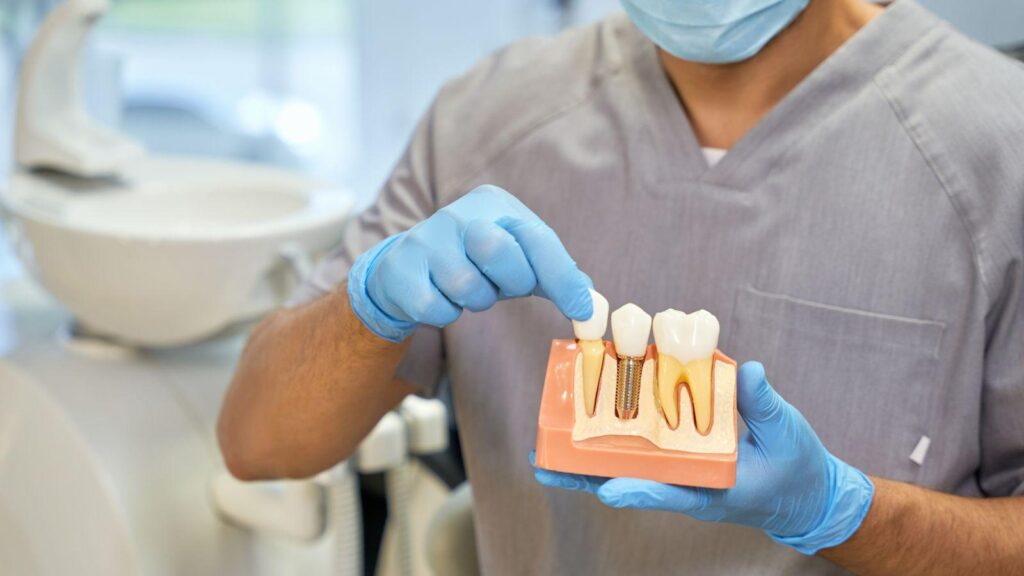
Missing one tooth or many changes how you chew, speak, and smile. You can choose a solution that fits your needs, budget, and long-term goals.
If you have a single gap, a single-tooth implant often offers the most conservative, natural-feeling fix. If several teeth are missing, implant-supported bridges or multiple implants can restore function; and if most or all teeth are gone, full-arch options like All-on-4 provide a stable, long-term replacement. This article walks through the basics of dental implants in Pittsfield, MA, when to favor a single implant versus multiple placements, and how full-arch restorations work. You can weigh costs, recovery, and expected outcomes.
Expect clear guidance on choosing the most suitable approach, common challenges (like bone loss or healing time), and what long-term satisfaction typically looks like.
Dental Implant Fundamentals
You’ll learn how implants replace tooth roots, the main implant styles and components, and who typically qualifies. The focus is on predictable outcomes, procedural steps, and factors that affect your treatment choice.
How Implants Work
A dental implant is a titanium (or titanium-alloy) screw placed into your jawbone to act as an artificial tooth root. Bone fuses to the implant surface through osseointegration, creating a stable anchor for a crown, bridge, or denture.
After implant placement you typically wait 2–6 months for integration, depending on bone quality and whether grafting was needed. Once integrated, an abutment connects the implant to a prosthetic tooth.
This structure restores chewing function, maintains facial height, and prevents adjacent teeth from shifting. You should expect local anesthesia for placement, possible sedation, and routine follow-up visits.
Common short-term risks include swelling, bruising, and infection. Long-term success depends on oral hygiene and regular maintenance.
Types of Dental Implants
Implant systems differ by purpose and design. Key categories:
- Single-tooth implant: one implant + one crown to replace a single missing tooth.
- Multiple implants: two or more implants supporting a bridge for adjacent missing teeth.
- Full-arch (All-on-4/All-on-6 or traditional full-mouth): four to six implants per arch that support a fixed prosthesis or an implant-retained denture.
Other variations include subperiosteal implants (rarely used) and zygomatic implants for severe upper-jaw bone loss. Materials are usually titanium or zirconia; prosthetics can be porcelain-fused-to-metal, all-ceramic, or acrylic over a metal bar.
Cost, surgical complexity, and recovery differ. Single implants are less invasive, while full-arch solutions require more planning and often more grafting or advanced imaging.
Candidacy Criteria
You qualify for implants if you have adequate jawbone volume, good oral hygiene, and controlled medical conditions. Sufficient bone prevents implant failure; if your bone height or width is insufficient, your clinician may recommend bone grafting or sinus lift procedures first.
Active smokers, uncontrolled diabetes, or heavy bruxers face higher complication rates and may need additional risk management. Periodontal disease must be treated before implant placement to reduce infection risk.
Age alone isn’t a strict barrier. Your clinician will assess systemic health, medication use (bisphosphonates, immunosuppressants), and ability to undergo surgery.
Expect a comprehensive exam with CBCT imaging, dental models, and treatment planning tailored to your anatomical and lifestyle needs.
Restoring a Single Tooth
You’ll learn how a single implant replaces one missing tooth, what the procedure involves, the aesthetic and functional improvements you can expect, and how to protect the restoration long-term.
Procedure Overview
A single-tooth implant uses a titanium or zirconia implant placed into your jawbone to support a custom crown. Your dentist begins with a 3D scan and treatment plan, then places the implant under local anesthesia; healing typically takes 8–16 weeks for osseointegration.
After healing, an abutment connects the implant to a crown that your lab crafts to match color, shape, and bite. You may receive a temporary crown during healing to maintain esthetics and function.
Expect one surgical visit for placement and one prosthetic visit for the final crown in straightforward cases. If bone volume is insufficient, your dentist may add a bone graft or membrane, which extends timelines by a few months.
Follow-up appointments check integration and bite adjustments.
Aesthetic and Functional Benefits
A single implant preserves neighboring teeth because it does not require cutting them down like a bridge would. Your crown sits independently, so adjacent tooth structure stays intact and the implant maintains the natural spacing and contour of your gumline.
Functionally, implants restore chewing force close to a natural tooth, enabling you to eat tougher foods without the movement or irritation common with removable options. Implants also stop the bone loss that follows a missing tooth, preserving facial structure over time.
A well-matched crown blends with shade and translucency of surrounding teeth. Ask about materials—porcelain-fused-to-zirconia or full-contour zirconia—for balance between strength and lifelike appearance.
Longevity and Care
With proper care, single implants commonly last decades. Daily brushing with a non-abrasive paste, interdental cleaning (floss, threader, or water flosser), and professional cleanings every 3–6 months reduce peri-implant inflammation and risk of failure.
Avoiding heavy forces—biting ice or using teeth as tools—protects the crown and implant. If you grind your teeth, your dentist may recommend a nightguard to limit overload.
Watch for persistent swelling, bleeding, or increasing mobility and report these signs promptly. Early intervention can often resolve infection or tissue issues.
Regular check-ups let your clinician monitor bone levels on periodic X-rays and adjust care as needed.
Replacing Multiple Teeth
You may need several implants when neighboring teeth are missing or failing, or when you want a stable long-term alternative to bridges and removable partials. Choices include placing individual implants for each gap, using implant-supported bridges, or planning a full-arch approach if many teeth are involved.
Options for Adjacent Tooth Loss
When two or more neighboring teeth are missing, you can choose between separate single-tooth implants or a bridge supported by implants. Single implants preserve each adjacent tooth and bone by placing one titanium post per missing tooth; they work well when bone volume and budget allow.
An implant-supported bridge uses fewer implants to replace multiple teeth. For example, two implants can often support a three-unit bridge, reducing surgical sites and cost compared with one implant per tooth.
Bridges transfer chewing forces across implants and prosthetic teeth, so proper implant positioning and occlusion are critical. Discuss spacing, esthetics, and long-term maintenance with your clinician.
If adjacent natural teeth are healthy, single implants avoid altering them. If those teeth are compromised, a bridge may be faster and more cost-effective.
Implant-Supported Bridges
An implant-supported bridge replaces several teeth using two or more implants anchoring a multi-tooth prosthesis. This option suits cases where missing teeth are contiguous and you want fewer implants than missing teeth.
Advantages include reduced cost compared with placing one implant per tooth and fewer surgeries. Typical configurations: two implants for a three-unit bridge, or three implants for a four- or five-unit span, depending on bite forces and bone quality.
Expect a treatment plan that covers implant spacing, abutment selection, interim prosthesis, and final crown materials. Maintenance requires daily cleaning under the pontic areas and regular recall visits to check screw torque, peri-implant tissue health, and prosthesis integrity.
Considerations for Bone Health
Bone quantity and quality determine implant number and placement. If you have reduced ridge height or width, your clinician may recommend bone grafting, ridge augmentation, or sinus lift to create a stable foundation for implants.
Assessments include 3D imaging (CBCT) to map bone volume and identify vital structures. Poor bone density can increase implant failure risk; you may need wider or longer implants, staged grafting, or alternative prosthetic designs to distribute loads safely.
Plan for healing time after grafts—usually several months—and follow post-op instructions to protect grafts and implants. Maintain good oral hygiene and quit smoking if applicable, since tobacco impairs bone healing and raises complication rates.
Full Arch Restoration Solutions
Full-arch restorations replace an entire upper or lower row of teeth using multiple implants to support either fixed or removable prostheses. You’ll choose between solutions that prioritize permanence, cost, bone preservation, and ease of hygiene.
Implant-Retained Dentures
Implant-retained dentures (overdentures) use typically 2–4 implants to anchor a removable denture. You snap the prosthesis onto attachments; it stays stable during speaking and eating but still comes out for cleaning.
Benefits include lower upfront cost and less invasive surgery compared with a full fixed bridge. They preserve jawbone better than traditional dentures because implants transmit chewing forces to the bone.
Expect routine maintenance: replaceable nylon or metal housings wear over time and need periodic replacement. You must clean around implants and under the denture daily to prevent peri-implantitis and food traps.
Who it’s best for: patients with some bone loss, limited budget, or those who prefer a removable prosthesis for hygiene access.
All-on-4 and All-on-6 Techniques
All-on-4 and All-on-6 place four or six implants across the arch to support a fixed, non-removable prosthesis. Angled posterior implants often avoid grafting by using available anterior bone.
All-on-4 commonly uses four implants and can allow same-day provisional teeth. All-on-6 adds two implants for increased load distribution and redundancy, which can improve long-term strength.
Fixed prostheses feel and function more like natural teeth and eliminate denture movement. However, they require precise implant positioning and higher upfront cost; failure of an implant can complicate prosthesis support.
Evaluate bone quality, medical history, and esthetic goals when choosing between 4 vs 6 implants. Digital planning, guided surgery, and high-quality lab work significantly affect fit, occlusion, and long-term success.
Adaptation and Recovery Process
Initial recovery after implant placement typically involves 1–2 weeks of swelling and mild discomfort. You’ll follow a soft-food diet during osseointegration, which usually takes 3–6 months for the implants to fuse with bone.
With immediate-load protocols, you may receive a provisional fixed bridge the same day, but you still must avoid hard chewing until healing progresses. Regular follow-ups monitor healing, occlusion, and soft-tissue health.
Long-term adaptation includes learning hygiene for fixed or removable restorations. Use interdental brushes, water flossers, and professional cleanings every 3–6 months to prevent complications and extend prosthesis life.
Choosing the Most Suitable Implant Approach
You should evaluate your mouth by tooth count, bone quality, budget, and daily needs. These factors determine whether a single implant, multiple implants, or a full-arch solution gives the best balance of function, cost, and recovery time.
Personalized Treatment Planning
Your dentist will start with a clinical exam and a CBCT scan to measure bone height, width, and nerve or sinus location. If you have adequate bone at a single missing-tooth site, a single implant with one crown is often the least invasive option.
When adjacent teeth are missing, your clinician may recommend separate implants for each tooth or implant-supported bridges; the choice depends on spacing and load distribution.
If you’re missing most or all teeth in an arch, options include full-arch implants or All-on-4/All-on-6 concepts; these use strategically placed implants to support a fixed prosthesis.
Consider medical history (diabetes, smoking), periodontal disease, and ability to undergo grafting; these affect sequencing and predictability. Ask for a written plan showing the number of implants, grafting needs, provisional prosthesis timing, and who performs each stage (surgeon vs restorative dentist).
Cost Comparison
Single-tooth implants typically cost less per tooth because they require one implant, one abutment, and one crown. Expect variable pricing based on implant brand, surgeon fees, and crown material.
Replacing several adjacent teeth with individual implants increases cost linearly, but implant-supported bridges can reduce implant count and lower total expense.
Full-arch solutions carry higher upfront costs but replace many teeth at once; All-on-4/6 often costs less than placing one implant per missing tooth and can include immediate prostheses. Factor in ancillary costs: bone grafts, sinus lifts, extractions, CT scans, temporary prostheses, and long-term maintenance.
Verify what your insurance or HSA will cover and request an itemized estimate to compare scenarios side-by-side.
Timeframe Expectations
Single-tooth implants may follow a timeline of extraction (if needed), 3–6 months of healing or immediate placement, implant insertion, 3–4 months for osseointegration, and final crown placement.
Multiple implants or bridges can follow similar intervals, but coordinated staging may reduce overall treatment time when multiple sites heal concurrently.
Full-arch treatments often include same-day provisional prostheses on the day of implant placement (immediate load), but final prosthesis delivery usually comes after 3–6 months of healing.
Grafting procedures extend timelines: small grafts add 3–4 months, while major sinus lifts or block grafts can add 6–9 months.
Discuss contingency plans with your provider for complications and temporary solutions to maintain function and appearance during treatment.
Potential Challenges and How to Address Them
You will face specific challenges depending on how many teeth are being replaced and your oral health. Key issues include maintaining or rebuilding bone, how smoking affects healing, and recognizing and treating common implant complications.
Managing Bone Loss
If you have jawbone loss, your implant options shrink and stability suffers. Your dentist will assess bone volume with CBCT scans.
Small defects may allow for narrow implants. Larger deficits often require grafting.
Bone grafting uses autograft, allograft, xenograft, or synthetic materials to rebuild ridge height or width. Procedures include socket preservation after extraction and lateral or vertical ridge augmentation before implant placement.
Healing typically takes 3–6 months depending on graft type and location. Sinus lifts may be necessary for upper molars when the sinus floor is too close.
Guided bone regeneration with membranes reduces soft-tissue ingrowth and improves outcomes. Expect additional time, cost, and a staged treatment plan when grafting is required.
Smoking and Healing Considerations
Smoking reduces blood flow and impairs immune response, increasing implant failure, infection, and delayed osseointegration. Quitting at least 4 weeks before surgery and maintaining cessation for 3–6 months after implant placement lowers risks significantly.
If you cannot quit, discuss nicotine replacement or pharmacotherapy with your provider to reduce exposure during the critical healing period. Your surgeon may recommend antibiotics, chlorhexidine rinses, and more frequent follow-ups to catch early signs of trouble.
Documented risks include higher rates of peri-implantitis and implant loss, especially with heavy smoking (>10 cigarettes/day). Consider staged treatment or alternative restorations if you are unable to reduce tobacco use.
Common Complications
Infection and peri-implant mucositis are the most frequent early problems; they present as redness, swelling, bleeding on probing, or pus. Early treatment combines mechanical cleaning, antiseptic rinses, and targeted antibiotics when indicated.
Mechanical issues include loose abutments, fractured screws, or crown problems. Tightening or replacing components, and using torque-controlled drivers during placement, prevents many mechanical failures.
Prosthetic complications may require crown remakes or occlusal adjustments. Nerve injury and chronic pain are rare but serious.
Symptoms include numbness or tingling in the lip, chin, or tongue. Immediate evaluation is essential; management ranges from corticosteroids and observation to surgical intervention if implant position threatens the nerve.
Maintain excellent oral hygiene and attend regular maintenance visits every 3–6 months. Manage medical conditions like diabetes and follow post-op instructions precisely.
Long-Term Outcomes and Patient Satisfaction
Dental implants generally show high long-term success and survival rates for single teeth, multiple units, and full-mouth restorations. You can expect durable function when implants integrate well with bone and when you maintain proper oral hygiene.
Studies report similar survival rates between implants supporting single-unit and multiunit prostheses over both short and long terms. Your choice between one implant or several often depends more on clinical need, bone availability, and prosthetic goals than on implant longevity alone.
Patient satisfaction often ties to comfort, chewing ability, and appearance rather than the specific implant type. You are likelier to report higher quality of life when implants replace problematic or unsalvageable teeth compared with removable dentures.
Common factors that influence long-term outcomes include:
- Maintenance: regular dental visits and hygiene.
- Health status: smoking, diabetes, and bone quality.
- Prosthetic design: single crowns versus fixed bridges or full-arch prostheses.
Benefits you may notice include improved chewing efficiency, better speech, and increased confidence. Risks remain, including peri-implant inflammation and mechanical complications.
Careful planning and follow-up reduce these occurrences. If you choose full-mouth solutions like All-on-4 or multiple single implants, expect different maintenance and potential complication profiles.
Discuss realistic expectations with your clinician so your chosen plan aligns with your functional and aesthetic priorities.
About The Author