
7 Benefits of Choosing Same-Day Dental Implants in Greenville: Faster Recovery, Lasting Results, and Local Expertise
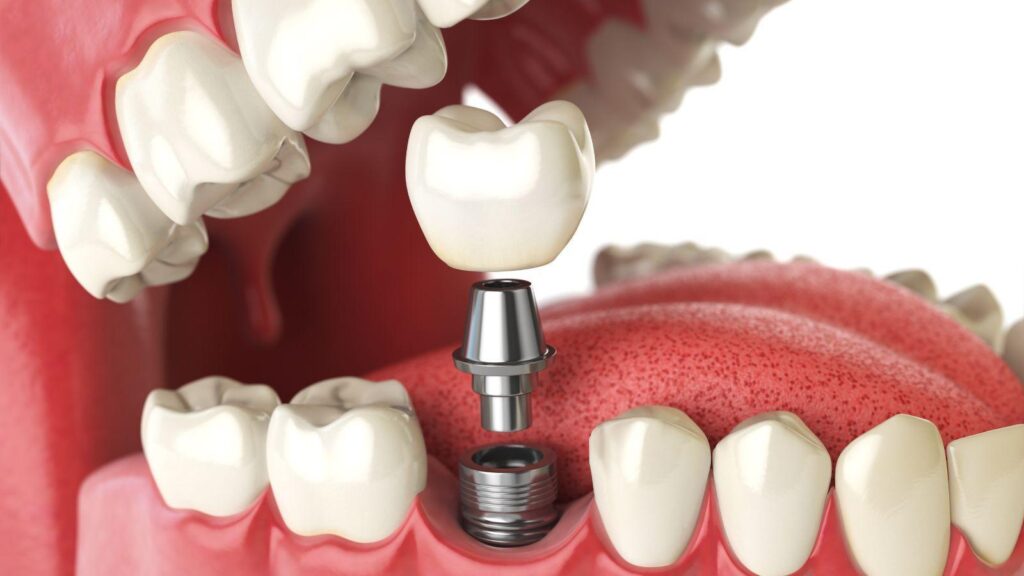
If you need a fast, reliable way to replace missing teeth without multiple surgeries and months of waiting, same-day dental implants in Greenville, SC can deliver a complete, functional smile in a single visit.
You get immediate function and a finished-looking set of teeth the day implants are placed, which saves time and reduces the disruption to your life.
This post breaks down how same-day implants work, the long-term oral-health benefits, and what to expect in Greenville—from treatment options and costs to patient experience and aftercare.
You’ll also learn how same-day treatment compares on aesthetics, value, and recovery, plus practical tips for choosing a local provider who can deliver predictable results.
Understanding Same-Day Dental Implants
Same-day dental implants place a functioning temporary tooth on an implant at the time of surgery and streamline treatment steps to reduce visits and overall timeline.
This approach balances immediate aesthetics with staged healing and requires specific clinical conditions to succeed.
What Sets Same-Day Implants Apart
Same-day implants, often called “immediate-load” implants, differ from traditional implants by combining implant placement and provisional restoration in one visit.
You receive a temporary crown or bridge attached to the implant right after the implant is secured, so you leave with a tooth-shaped restoration instead of a gap or removable prosthesis.
The provisional restoration is designed for aesthetics and limited function, not full chewing forces.
Final crowns are fabricated after bone and soft tissue heal, usually several months later, to ensure long-term strength and fit.
Key advantages you should expect: fewer surgical appointments, less time without fixed teeth, and faster cosmetic rehabilitation.
Expect careful planning with CBCT imaging and sometimes guided surgery to control implant position and immediate load risks.
Eligible Candidates for Immediate Implants
You qualify for same-day implants if you have sufficient jawbone density and volume at the implant site to achieve strong primary stability (typically ≥30–35 Ncm insertion torque).
Good overall oral health—controlled periodontal disease, no active infections, and healthy gum tissue—is essential.
Systemic factors matter: well-controlled diabetes and non-smokers have better outcomes.
Heavy smoking, uncontrolled systemic disease, or poor oral hygiene increase failure risk.
Single-tooth replacements and select full-arch cases work well, but severely resorbed ridges or complex bone defects often need staged grafting before immediate loading.
Your surgeon will assess you with clinical exam and 3D imaging to confirm bone quality, implant angulation, and prosthetic needs.
If any risk factors exist, they may recommend staged implant placement instead.
Overview of the Procedure Process
Initial consultation: your dentist performs clinical exam, CBCT scan, and treatment planning.
They create a surgical plan and provisional restoration (custom or pre-fabricated) before appointment day.
Surgical day: under local anesthesia (with sedation if chosen), the implant is placed into the jawbone.
The clinician measures insertion torque; if primary stability is adequate, they attach the provisional crown or bridge and adjust occlusion to minimize biting forces.
Post-op and healing: you follow a soft-food diet for several weeks, maintain meticulous oral hygiene, and attend follow-up visits for soft-tissue checks.
After osseointegration (commonly 3–6 months), the provisional is replaced with a final abutment and crown fabricated for long-term function and aesthetics.
Long-Term Oral Health Advantages
Same-day implants restore chewing function immediately and support surrounding tissues, helping preserve bone, keep neighboring teeth aligned, and lower inflammation risk that can lead to gum disease.
Preservation of Jawbone Density
When you lose a tooth, the underlying jawbone receives less stimulation and can begin to resorb.
A same-day implant places a titanium fixture into the socket that transfers chewing forces to the bone, which helps maintain bone volume and density.
Preserved bone reduces the chance you’ll need ridge augmentation later.
That matters if you want predictable future restorations or to avoid changes to your facial profile.
Clinically, immediate placement and loading can shorten total treatment time while still protecting the alveolar ridge when conditions are right.
Key factors that influence bone preservation: implant position, primary stability at placement, and your ongoing bite forces.
Maintaining good oral hygiene and regular checkups supports long-term osseointegration and bone health.
Prevention of Tooth Misalignment
A missing tooth creates space that adjacent teeth often drift into, which can change your bite and complicate future treatment.
Same-day implants close that gap immediately with a fixed crown, preventing neighboring teeth from tilting or shifting.
Keeping teeth in their intended positions maintains occlusion and reduces uneven wear on opposing teeth.
That stability makes it less likely you’ll need orthodontic correction later and helps preserve chewing efficiency.
Your implant-supported crown should match the original tooth’s height and contact points.
Proper contouring by the dentist at placement prevents food trapping and maintains interdental spacing.
Reduced Risk of Gum Disease
Replacing a tooth promptly reduces areas where food and plaque accumulate.
A well-contoured implant crown with tight contacts and smooth emergence profile makes daily cleaning easier and lowers plaque retention compared with leaving a gap or using a removable temporary.
Immediate implant placement can also limit soft-tissue collapse and preserve the natural gingival architecture.
Healthy gum contours improve your ability to brush and floss effectively, which lowers chronic inflammation and the progression to periodontitis.
You still need consistent home care and professional cleanings.
Peri-implantitis risk exists but decreases when implants are properly placed, restored, and maintained through regular hygiene and periodic professional evaluations.
Convenience and Time Savings
You get your missing tooth replaced and leave the office with a working restoration the same day.
That reduces appointments, travel, and time away from work or family.
Streamlined Treatment Timelines
Same-day implants combine extraction, implant placement, and temporary restoration into a single appointment when conditions allow.
This removes the typical multi-month wait between surgery and crown placement and cuts the number of clinic visits from several to usually one or two.
You still need pre-op imaging and planning—CBCT scans and digital impressions are often done beforehand or on the same day—to confirm bone quality and implant positioning.
Clear scheduling and an experienced team in Greenville reduce surprises and keep the process efficient.
Minimized Recovery Time
Because you receive a fixed temporary restoration immediately, you avoid prolonged periods with a missing tooth that can complicate eating and speaking.
Post-op discomfort is similar to traditional implant surgery, but you save time by consolidating healing into one recovery window instead of multiple minor recoveries across months.
Follow-up visits focus on monitoring healing and switching to a final crown rather than completing separate surgical steps.
Strict adherence to post-op instructions and short-term dietary adjustments speed up comfortable function and reduce the chance of complications.
Immediate Restoration of Function
A provisional crown attached at the time of implant placement restores chewing, speech, and appearance right away for single-tooth cases or arch restorations supported by multiple implants.
You can return to normal social and professional activities without living with a temporary removable prosthesis.
Note that the immediate restoration is typically a temporary prosthesis designed to protect the implant during osseointegration.
You will receive the definitive crown or bridge after the implant has fully integrated, usually a few months later.
Aesthetics and Confidence Boost
Same-day implants restore the visible tooth and the underlying support quickly, giving you a natural appearance and immediate functional improvement.
You regain the ability to smile, speak, and eat without the gaps or removable prostheses that call attention to missing teeth.
Natural-Looking Results
Same-day implants use custom-designed crowns matched to your tooth shade, shape, and bite.
Your dentist scans your mouth and mills or fabricates a temporary crown that aligns with adjacent teeth for consistent color and contours.
The implant post sits in the jaw like a natural root, so the crown emerges from the gum in the same way a real tooth does.
Because the restoration is fixed, it won’t shift or slip like a denture.
That stability keeps the crown seated against the gum margin for a seamless look.
Over time, once the final crown is placed, you can expect a long-term match in appearance and function.
Support for Facial Structure
Losing teeth causes bone loss and soft‑tissue collapse that can change your facial profile.
A same-day implant preserves the space and transfers chewing forces to the bone, which helps slow resorption.
This preservation maintains vertical height in the jaw and supports the overlying cheek and lip tissues.
Immediate placement reduces the period your face lacks underlying support.
That shorter gap between extraction and restoration lowers the risk of the hollowed-in look that can age your appearance.
For multiple teeth, fixed implant bridges better maintain facial contours than removable options.
Positive Impact on Self-Esteem
Restoring a tooth in a single visit removes a visible sign of tooth loss quickly, which often leads to faster improvements in how you present yourself.
You can return to social and professional activities without hiding your smile or worrying about a slipping prosthesis.
That practical change typically translates into greater confidence in conversations and photographs.
Because same-day implants look and function like natural teeth, they reduce self-conscious habits such as covering your mouth or avoiding public dining.
Many patients report feeling more willing to engage, speak up, and accept invitations after their immediate restoration.
Investment and Value Considerations
Same-day implants can change the timeline, total expense, and number of visits compared with traditional implant routes.
You’ll weigh upfront cost, long-term durability, and the chance you’ll avoid extra surgeries when deciding whether same-day treatment in Greenville fits your budget and goals.
Cost Comparison with Traditional Methods
Same-day implants typically cost more per arch than removable dentures but often less than staged full-arch implant protocols when you factor in fewer appointments.
Expect to pay for implant hardware, a fixed temporary or final prosthesis, and any imaging or CBCT scans; clinics in Greenville often bundle these into a single quoted fee.
Insurance coverage varies: medical or dental plans sometimes cover parts of the surgical fee but rarely the full prosthesis.
Ask your provider for an itemized estimate showing implant components, lab fees, and follow-up visits so you can compare apples-to-apples with traditional staged implants or bridges.
- Get a written estimate that lists:
- surgical fee
- number/type of implants
- prosthesis (temporary and/or final)
- imaging and labs
- anesthesia and follow-up
- Check flexible financing or in-house payment plans to spread the cost.
Durability and Longevity of Implants
Dental implants act like tooth roots and integrate with bone; this gives them greater stability than dentures or bridges.
You can expect a well-placed implant-supported prosthesis to last many years—often decades—when you maintain good oral hygiene and attend regular checkups.
Materials matter: titanium implants and high-quality zirconia or acrylic-veneered prostheses have different wear patterns and maintenance needs.
Discuss component warranties, expected maintenance (for example, periodic screw checks or relines), and local clinic track records in Greenville for documented success rates.
Potential for Fewer Additional Procedures
Same-day protocols aim to reduce the number of surgical stages: extraction, implant placement, and provisional prosthesis can occur in one visit.
That can lower the probability of interim bone grafting or multiple surgical appointments if you have sufficient bone volume and no active infection.
However, if bone quality is marginal or complications arise, you may still need grafting or staged healing.
Ask your surgeon for a clear treatment plan that lists possible adjunctive procedures, their indications, and how often they occur in similar Greenville cases so you can plan time and cost contingencies.
Patient Experience in Greenville
You’ll find many clinics in Greenville that offer same-day implants, including practices with in-house labs and oral surgery specialists.
This local availability shortens travel and coordination, letting you complete most steps in one visit.
Expect an initial consultation that reviews your medical history, imaging, and treatment options.
Providers often use CBCT scans and digital planning to design implant placement and temporary teeth the same day.
Many practices offer the All-on-4 or similar immediate-load techniques, which can provide a fixed temporary arch right after surgery.
This reduces the time you spend without functional teeth and lets you eat and speak more comfortably during healing.
Cost and financing vary across clinics; some list ranges from single-tooth costs to full-arch prices, and several Greenville providers advertise same-day options.
Ask each office for a written estimate, warranty details, and financing plans so you can compare offers clearly.
You should expect coordinated care when a single clinic manages planning, surgery, and prosthetics.
That continuity often reduces miscommunication and speeds recovery because the same team oversees each step.
Prepare for a recovery period with swelling and dietary changes for several days.
Your provider will give specific aftercare instructions, pain control options, and follow-up appointments to monitor healing and transition to your final restorations.
Choosing the Right Provider
Choose a provider with specific experience in same-day implants.
Ask how many same-day cases they perform monthly and request before-and-after photos of similar cases to confirm consistent outcomes.
Verify training and credentials.
Look for a dentist or oral surgeon with advanced implant training, board certifications, and affiliations with professional organizations.
Confirm on-site technology and support.
Same-day workflows rely on 3D imaging, guided surgery, and in-house lab or CAD/CAM milling for precise, fast restorations.
If the practice handles everything in one location, your treatment typically moves faster with fewer handoffs.
Ask about candidacy assessment and follow-up care.
A thorough consultation should include bone quality evaluation, medical-history review, and a clear plan for temporary and final restorations.
Make sure they provide a written timeline and postoperative care instructions.
Compare costs, financing, and warranties.
Same-day implant pricing can vary widely; request a detailed estimate that lists implant components, lab fees, and follow-up visits.
Inquire about financing options and any guarantees on the restoration or implant.
Read patient reviews and request references.
Look for comments about communication, comfort during treatment, and long-term satisfaction.
A reputable provider will share patient testimonials and be transparent about potential risks.
Aftercare and Maintenance
Expect the first 48–72 hours to include swelling and mild discomfort. Follow your surgeon’s instructions for pain control and cold compresses.
Take prescribed antibiotics and analgesics exactly as directed to reduce infection risk and manage pain.
Stick to a soft-food diet for at least a week. Avoid crunchy, sticky, or hard foods that can stress implants.
Sip water frequently to stay hydrated.
Practice gentle oral hygiene starting the day after surgery. Use a soft-bristled toothbrush and avoid vigorous rinsing.
Your clinician may recommend a saline or antimicrobial rinse to keep the site clean.
Attend all follow-up appointments so your dentist can monitor healing. They may adjust your temporary restoration if needed.
Timely checks help detect issues like loose screws, peri-implant inflammation, or improper bite alignment.
Consider quitting smoking and limiting alcohol while healing. Tobacco and heavy alcohol use both impair blood flow and slow bone integration with the implant.
Maintain long-term care with regular dental cleanings. Night guard use is important if you grind your teeth.
Routine professional care and good home hygiene protect your investment and the surrounding teeth and gums.
About The Author