
Missing a Tooth? Why Woodbury, MN Patients Are Turning to Dental Implants — Benefits, Process, and What to Expect
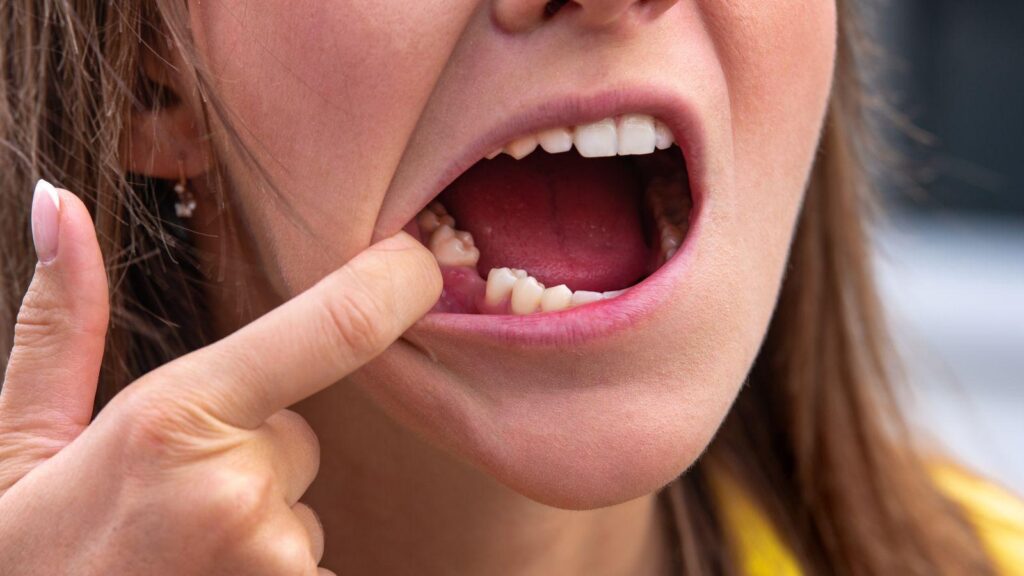
Missing a tooth can feel like more than a cosmetic problem — it can change how you eat, speak, and even how surrounding teeth behave. Many in Woodbury, MN choose dental implants because they replace the missing tooth with a stable, natural-feeling solution that preserves bone and prevents nearby teeth from shifting.
Dental implants provide a long-term foundation that looks, feels, and functions like a natural tooth. They help you regain chewing ability, protect jawbone health, and keep your smile aligned.
This article will walk you through how implants work, how they compare with bridges and dentures, what to expect during treatment and recovery, and the practical considerations specific to Woodbury patients. You’ll be able to decide whether implants fit your needs.
Dental Implant Basics
Dental implants replace missing tooth roots with a stable foundation for crowns, bridges, or dentures. They restore chewing function, help preserve jawbone, and can be cared for like natural teeth.
What Are Dental Implants?
Dental implants are medical-grade titanium or zirconia posts surgically placed into your jawbone to act as artificial tooth roots. Each implant supports a restoration—most often a single crown, a fixed bridge, or an overdenture—that attaches with an abutment.
You’ll encounter two common materials: titanium, known for strength and long-term success, and zirconia, a metal-free option for patients with metal sensitivities or specific aesthetic needs. Implants themselves do not decay, but the surrounding gum tissue still needs daily brushing and flossing.
Implants suit patients with adequate bone volume or those willing to undergo grafting. A dental exam, 3D imaging, and medical history determine whether implants are appropriate for your situation.
How Dental Implants Work
After placement, the implant undergoes osseointegration: bone grows tightly against the implant surface, anchoring it like a natural root. This process typically takes 3–6 months depending on bone quality and location.
Once integrated, your dentist attaches an abutment that connects the implant to the final restoration. The restoration—custom-milled to match your bite and tooth color—returns chewing function and facial support.
You maintain implants with the same home care as natural teeth: brushing twice daily, flossing, and routine dental checkups. Regular professional cleanings and monitoring prevent peri-implant inflammation that can jeopardize the implant.
Types of Dental Implants
- Endosteal implants: The most common type, placed directly into the jawbone; used for single-tooth or multi-tooth restorations.
- Subperiosteal implants: Placed on top of the jawbone but beneath the gum, used when bone height is insufficient and grafting is not an option.
- All-on-4 or full-arch implants: A protocol using four (or more) strategically angled implants to support a full-arch fixed prosthesis for upper, lower, or both jaws.
Choose between single implants, implant-supported bridges (replacing several adjacent teeth), and implant-retained dentures (removable) or fixed hybrid prostheses (non-removable). Your dentist will recommend the type based on jawbone condition, number of missing teeth, budget, and desired permanence.
Consequences of Tooth Loss
Missing a tooth can lead to measurable changes in bone, bite alignment, chewing ability, and facial support. These changes increase the risk of decay, gum disease, and functional problems that affect daily life.
Oral Health Impacts
When you lose a tooth, the neighboring teeth often drift into the empty space. That drifting creates new contact points that trap food and make flossing harder, increasing your risk of cavities and gum inflammation.
You also lose the root stimulation that maintains jawbone density. Without that stimulation, bone resorption can occur near the extraction site, which can complicate later restorations and change how dentures or implants fit.
Gaps are harder to keep clean and tend to collect plaque. That raises the chance of periodontal disease in adjacent teeth and can require more frequent dental visits and treatments to manage infection and preserve surrounding teeth.
Effects on Chewing and Speech
A missing tooth changes how your teeth come together during chewing. You may shift chewing to one side, which increases wear on remaining teeth and can cause muscle fatigue or jaw pain.
Loss of posterior teeth reduces biting force; you’ll notice difficulty eating harder foods like apples, nuts, or steak. That can lead you to alter your diet, potentially reducing protein and fiber intake.
Missing front teeth also affect speech. Certain consonants (like “s,” “th,” and “f”) rely on precise tongue-to-tooth contact.
You might develop a lisp or slurring until you adapt or restore the tooth.
Changes to Facial Structure
The jawbone requires stimulation from tooth roots to maintain its height and volume. After tooth loss, bone loss can cause the jaw to shrink gradually, especially in the first year.
Reduced bone height and missing teeth change the vertical dimension of your bite. You may notice deepening of nasolabial folds, a thinner mouth appearance, or increased wrinkle visibility around the mouth.
These changes can alter your facial profile and affect how dentures fit. Restoring missing teeth helps preserve bone and the natural contours of your face.
Choosing Dental Implants in Woodbury, MN
You can expect care that balances modern implant technology, tailored treatment plans, and local reputation you can verify. The next details explain who will treat you, what options you’ll have, and how other Woodbury patients view those providers.
Local Expertise and Technology
Woodbury clinics commonly use CBCT imaging and guided-surgery planning to place implants with high positional accuracy. You’ll often get a 3D scan during your consultation so the surgical team can map bone volume, sinuses, and nerve locations before any incision.
Many practices in the area coordinate between restorative dentists and oral surgeons. That collaboration means one clinician plans the crown or bridge while another handles implant placement or bone grafting when needed.
Ask whether the office performs same-day provisional crowns, uses titanium or zirconia fixtures, and offers in-house lab support. Those specifics affect healing time, aesthetics, and the number of visits you’ll need.
Patient-Centered Treatment Options
Your treatment should start with a clear cost breakdown, timeline, and alternatives such as bridges or removable dentures. Expect individualized assessment of bone quality and health factors—smoking, diabetes control, and medications—because these influence success rates and grafting needs.
Options commonly available in Woodbury include single-tooth implants, implant-supported bridges, and full-arch restorations. Request visual examples or before/after photos that match your situation to set realistic expectations for function and appearance.
Discuss anesthesia choices (local, oral sedation, or IV), post-op care protocols, and warranty or maintenance plans for prosthetic components. Knowing these details helps you compare offers and choose care that fits your schedule and budget.
Community Reputation
Check patient reviews, state licensure, and professional affiliations for the dentists and surgeons you’re considering. You’ll find many local practices listed with patient testimonials and ratings that highlight punctuality, communication, and long-term follow-up.
Look for evidence of referral patterns: general dentists who refer implant cases to a specific oral surgeon indicate trusted working relationships. Local dental societies and continuing-education records show whether a clinician keeps current with implant techniques.
Call the office and ask about complication rates, typical healing timelines, and how they handle implant revisions. Direct answers and transparent policies give you a clearer sense of reliability than marketing statements.
Comparing Tooth Replacement Solutions
You can choose between restorations that attach to neighboring teeth, removable prosthetics, or implants anchored in bone. Each option differs in how it affects chewing, maintenance, and adjacent teeth.
Implants vs. Bridges
A dental bridge uses crowns on neighboring teeth to support a false tooth. This requires reshaping healthy teeth and can raise the risk of decay or sensitivity on those anchors over time.
Dental implants replace the tooth root with a titanium post that preserves bone and leaves adjacent teeth untouched. If you have good jawbone and want a solution that mimics natural tooth function, an implant typically offers firmer chewing and easier oral hygiene.
Cost and timeline differ: bridges often finish faster and cost less initially, while implants require surgery and months for healing but can be more economical long-term if you avoid future repairs. Ask about bone grafting, crown materials, and the condition of neighboring teeth when comparing.
Implants vs. Dentures
Traditional dentures sit on the gums and can replace a full arch or partial areas. Expect periodic relines and the possibility of slipping during chewing or speaking, especially without adequate ridge support.
Implant-supported options range from two to six implants holding a snap-in denture to full-arch fixed restorations. These improve stability, reduce sore spots, and restore more bite force than tissue‑borne dentures.
If you prioritize stability and eat a wider variety of foods, implant-retained solutions usually perform better. Budget and medical suitability matter: removable snap-on dentures are less invasive and more affordable than full fixed implant arches.
Longevity and Comfort Comparisons
Bridges generally last 10–15 years with good care, but lifespan depends on decay, gum health, and stress on supporting teeth. Plan for replacement or repair sooner if the supporting teeth develop problems.
Conventional dentures require ongoing adjustments and may accelerate jawbone loss, reducing fit and comfort over years. They often need relines every few years.
Implants, when placed and maintained properly, can last decades and help preserve bone, improving long-term comfort and function. Maintenance includes daily cleaning, regular dental checkups, and occasional crown replacement.
The Dental Implant Process
You’ll move through three clear stages: evaluation and planning, implant placement surgery, and recovery with prosthesis attachment. Each step involves specific tests, timelines, and care to restore function and appearance.
Initial Consultation and Assessment
During your first visit, the dentist reviews medical and dental history and performs a clinical exam of your mouth and bite. Expect digital X-rays or a CBCT scan to measure jawbone volume and locate vital structures like nerves and sinuses.
The team evaluates nearby teeth, gum health, and any infection. If bone or gum is insufficient, they’ll discuss grafting or sinus lift options and the additional healing time required.
You’ll get a written treatment plan with costs, implant brand, number of visits, and an estimated timeline from surgery to final crown. You’ll also discuss anesthesia choices—local, nitrous oxide, or IV sedation—and any medications to stop or start before surgery.
The dentist outlines risks, success rates, and alternatives so you can give informed consent.
Surgical Procedure Overview
On surgery day, the clinician places a titanium implant into your jawbone through a small incision in the gum. The implant acts as an artificial root; surgeons often use surgical guides created from your scans to position the implant precisely.
After placement, the implant typically undergoes osseointegration—bone fuses to the implant—for 3 to 6 months. In some cases, a healing abutment or temporary crown is attached immediately to shape the gum and maintain aesthetics while the bone heals.
If you need multiple implants or bone grafting, the procedure can take longer and may be staged. Expect local anesthesia for comfort and short post-op appointments to remove sutures or check healing.
Recovery and Aftercare
Plan for 48–72 hours of the most noticeable swelling and mild discomfort; ice packs and prescribed or over-the-counter pain meds control symptoms. Maintain a soft-food diet for the first week and avoid heavy chewing on the implant site until your dentist clears you.
Keep the area clean with gentle rinses and routine brushing; your clinician may recommend chlorhexidine mouthwash for the first week. Attend follow-up visits at 1–2 weeks and again during the osseointegration period so your provider can monitor bone healing and soft-tissue health.
Once integration completes, your dentist will take final impressions and attach the permanent crown, bridge, or denture. Continue regular dental cleanings and daily oral hygiene to protect the implant and surrounding teeth.
Candidacy and Considerations
You should understand who qualifies for implants, which medical or lifestyle issues change your prognosis, and when preparatory procedures like bone grafting become necessary. These factors determine timing, cost, and the type of implant restoration you’ll receive.
Ideal Candidates for Implants
You make a good candidate for a dental implant if you have one or more missing teeth, healthy gums, and sufficient jawbone to support an implant post. Age alone is not a barrier; many adults and seniors with stable oral health receive implants successfully.
Your mouth should be free of active gum disease; untreated periodontitis raises the risk of implant failure. You should be able to follow postoperative care and attend follow-up visits for osseointegration checks and crown placement.
Dentists often evaluate bite alignment, adjacent tooth condition, and aesthetic goals. If you currently wear a denture or bridge, implants can replace single teeth or support full-arch prostheses depending on bone and tissue assessments.
Health Factors Affecting Success
Systemic conditions influence implant healing. Poorly controlled diabetes, heavy smoking, and certain autoimmune or bone metabolism disorders increase complication rates and slow osseointegration.
Medications such as bisphosphonates or long-term steroids can affect bone healing; disclose all prescriptions and supplements to your provider. Blood clotting issues or immunosuppression may require medical clearance or modified treatment plans.
Oral hygiene and routine dental care remain critical. If you struggle to maintain consistent brushing, flossing, and professional cleanings, your risk of peri-implantitis rises. Your dentist will review your medical history and may coordinate with your physician to optimize outcomes before proceeding.
Bone Grafting and Preparatory Treatments
If your jawbone lacks volume or density, your dentist may recommend bone grafting to create a stable foundation for the implant post. Common graft sources include your own bone (autograft), donor bone, or synthetic materials.
Grafting can be performed at the implant site or as a sinus lift in the upper jaw when the posterior maxilla has insufficient height. Healing time after grafting typically ranges from three to nine months before implant placement, depending on graft type and quality.
Other preparatory treatments include tooth extraction with socket preservation. Periodontal therapy to treat gum disease and orthodontic adjustments to create proper spacing may also be needed.
Benefits of Dental Implants
Dental implants restore chewing function, preserve jawbone, and improve smile appearance. They also reduce the risk of nearby teeth shifting and simplify daily oral care.
Long-Term Oral Health
Implants replace the tooth root with a titanium post that integrates into your jawbone. This “osseointegration” maintains bone volume and supports facial structure, reducing the ridge resorption that occurs after a missing tooth.
Because implants anchor individual crowns, they avoid the need to alter adjacent teeth the way a fixed bridge does. That preserves your natural tooth enamel and lowers long-term risk of decay or sensitivity in neighboring teeth.
Implants also distribute bite forces evenly. You get improved chewing efficiency compared with removable dentures, which helps you eat a wider variety of foods and maintain nutrition.
Aesthetic Improvements
An implant-supported crown matches the color, shape, and size of your natural teeth. You get a consistent tooth line that improves smile symmetry and looks natural at close range.
Because the implant preserves the bone, your gum contour stays stable. That prevents the hollowed or sunken look that can appear with long-term tooth loss, especially in the front of the mouth.
Implants are fixed in place, so you avoid the movement or clicking associated with some dentures. That gives you confidence when speaking and smiling in social and professional situations.
Costs and Insurance
Expect implant prices to vary by procedure complexity, materials, and any preparatory work like bone grafts. Understand typical local costs, available financing, and how insurance usually applies so you can budget and avoid surprises.
Typical Price Range
Single-tooth implants in Woodbury commonly range from about $2,500 to $6,000 for the implant, abutment, and crown when no extra procedures are needed. If you require a bone graft, sinus lift, or tooth extraction, add $500–$3,000 depending on the extent of work.
Full-arch solutions (All-on-4 or similar) typically start around $20,000 per arch and can exceed that with premium materials or complex planning. Ask your provider for an itemized estimate that lists implant component costs, lab fees, surgical fees, and follow-up visits.
That makes it easier to compare quotes and identify which items drive the price.
Financing Options
Many Woodbury dental offices offer payment plans that spread costs over 6–24 months with low or no interest. Third-party medical financing companies (CareCredit, LendingClub, etc.) provide longer-term loans; rates and terms vary by creditworthiness.
You can also use a healthcare credit card or split the procedure into staged treatments to delay some costs. Request written terms before signing.
Compare APRs, monthly payments, and total repayment amounts. Factor in potential additional costs for complications or extra appointments when planning.
Navigating Dental Insurance
Most dental plans categorize implants as major restorative work and either limit coverage to 50% after deductibles or exclude implants entirely for pre-existing missing teeth. Check your policy’s missing-tooth clause and annual maximums; bridges may be covered at a higher percentage than implants.
When you contact your insurer, ask for: 1) exact CPT/Dental codes for the proposed treatment, 2) prior authorization requirements, and 3) how any waiting periods or missing-tooth exclusions apply. Your dentist can often submit a pre-treatment estimate to clarify out-of-pocket responsibility before work begins.
Maintaining Your Dental Implants
Keep plaque and inflammation under control. Protect the implant from excessive forces, and schedule regular professional exams to monitor bone and soft tissue health.
Oral Hygiene Recommendations
Brush twice daily using a soft-bristled toothbrush and a low-abrasive toothpaste to avoid scratching the implant surface or crown. Use a 45-degree angle and short, gentle strokes around the gumline where the implant meets the tissue.
Floss once daily with unwaxed tape or a floss designed for implants; slide it up and down the sides of the crown and beneath the contact point. Consider interdental brushes with nylon-coated wire for wider spaces—choose a size that glides without force.
Rinse with an antimicrobial mouthwash (chlorhexidine only if your dentist prescribes it) to reduce bacterial load after brushing. Avoid tobacco, and limit hard or sticky foods that can stress the crown or abutment.
If you grind your teeth, ask about a night guard to protect the implant from excessive occlusal forces.
Routine Check-Ups
Visit your dentist every 3–6 months initially; your provider will set the interval based on healing, bone stability, and gum health. During visits, the clinician checks implant mobility, measures pocket depths with a non-metal probe, and assesses the surrounding bone on radiographs as needed.
Professional cleanings remove calculus and biofilm that you cannot reach at home. Hygienists use plastic or specialized instruments to avoid damaging implant surfaces.
Report any sensitivity, loosening, persistent bleeding, or changes in chewing comfort immediately so your team can address infection, mechanical issues, or prosthetic wear before they worsen.
What to Expect During Recovery
You will experience swelling and mild discomfort for the first 48–72 hours. Ice, short-term pain medication, and resting with your head elevated help control swelling and pain.
Bleeding or oozing is common the first day. Bite gently on gauze as instructed, and avoid spitting, using straws, or vigorous rinsing for 24 hours to protect the clot.
Your diet will change temporarily. Stick to soft, cool foods (yogurt, mashed potatoes, smoothies) for several days and avoid hard, crunchy, or very hot foods until the site feels comfortable.
Oral hygiene is important but gentle. Brush other teeth normally; rinse gently with saline or a prescribed mouthwash after 24 hours to keep the area clean without disturbing healing tissue.
Follow-up appointments monitor osseointegration and soft-tissue healing. Expect several visits over weeks to months as the implant bonds to your jawbone and the final crown or prosthesis is planned.
Watch for warning signs and call your provider if you have persistent severe pain, increasing swelling after 72 hours, fever, excessive bleeding, or a foul taste or odor. Early contact can prevent complications and keep your recovery on track.
Typical healing timeline (brief) /*
- 0–3 days: swelling, mild pain, soft diet
- 1–2 weeks: soft-tissue healing, sutures may be removed
- 3–6 months: bone integration before final restoration */
Potential Risks and Complications
Dental implants have high success rates, but you should understand potential risks before deciding. Knowing possible complications helps you spot issues early and seek prompt care.
Infection at the implant site is one of the most common problems. You may notice swelling, persistent pain, or drainage; these signs warrant a prompt dental visit.
Nerve injury can cause numbness, tingling, or pain in your lip, chin, or tongue. This is rare but can be permanent if not managed quickly.
Sinus problems can occur with upper-jaw implants when they protrude into the sinus cavities. Your clinician will evaluate sinus anatomy beforehand to minimize this risk.
Implant failure or poor osseointegration means the implant doesn’t fully bond with your bone. Smoking, uncontrolled diabetes, and inadequate bone volume raise this risk.
Peri-implantitis is inflammation of the tissues around an implant and can lead to bone loss. Good oral hygiene and regular professional cleanings reduce your chances.
Mechanical complications include loose or fractured screws and worn crowns. These issues often have straightforward repairs but require timely attention.
Common risk factors to discuss with your provider:
- Health conditions: diabetes, immune disorders, osteoporosis
- Lifestyle: smoking, heavy alcohol use
- Oral factors: insufficient bone, untreated gum disease
Ask your dentist about their complication rates, imaging used for planning, and steps they take to reduce risks specific to your health and anatomy.
Innovations in Tooth Replacement
You now have access to implant technology that closely mimics natural teeth in function and appearance. Modern titanium and ceramic implant materials integrate with bone to provide a stable foundation that resists decay and feels secure when you chew or speak.
Computer-guided implant planning and 3D imaging let your dentist visualize bone structure and vital anatomy before surgery. This precision reduces surgical time, improves implant placement accuracy, and often speeds recovery.
Immediate-load and same-day restorations can let you leave the office with a temporary crown or prosthesis in place. These options depend on your bone health and treatment plan, but they significantly shorten the time you go without a tooth.
Advances in prosthetic materials give you lifelike crowns and bridges that match neighboring teeth in color and translucency. Ceramic and zirconia restorations resist staining and provide a natural appearance while maintaining strength.
Minimally invasive techniques, such as flapless surgery and guided implant guides, reduce post-operative discomfort and preserve soft tissue contours. Less trauma often means faster healing and better aesthetic outcomes around the gumline.
You should also know about full-arch implant solutions if you’re replacing many teeth. Implant-supported bridges or overdentures restore chewing function and facial support without relying on adjacent teeth for anchorage.
Key considerations for you:
- Bone quality and volume determine candidacy.
- Digital planning improves predictability.
- Prosthetic choice affects aesthetics and maintenance.
- Follow-up care and hygiene keep implants healthy.
Next Steps for Prospective Patients
Start with a comprehensive consultation. Your dentist or oral surgeon will review medical history, examine your mouth, and often take 3D scans to assess bone volume and implant placement options.
Ask about the treatment plan and timeline. Get clear answers on whether you need extractions, bone grafting, or temporary restorations and how long healing and integration typically take.
Confirm costs and financing before you commit. Request an itemized estimate that lists surgery, the implant posts, abutments, crowns, and follow-up visits so you can compare options.
Prepare questions to evaluate provider experience. Ask how many implants they place each year, whether they use computer-guided techniques, and to see before-and-after photos of similar cases.
Follow pre- and post-operative instructions closely. You’ll receive guidance on medications, diet, and oral hygiene to reduce risk and support healing.
Use this checklist when booking your appointment:
- Date and time for consultation
- List of current medications and health conditions
- Any dental records or recent X-rays
- Questions about costs, timeline, and provider experience
Bring a trusted companion if you expect sedation. They can help with transportation and post-appointment care instructions.
Request written follow-up plans. Make sure you understand maintenance, check-up frequency, and who to contact for concerns after surgery.
About The Author