When to Call an Emergency Dentist in Wilmington, NC: 7 Signs You Shouldn’t Wait — Immediate Steps and What to Expect
Dental pain or a knocked-out tooth can upend your day and affect your health if you wait. If you have severe pain, uncontrolled bleeding, facial swelling, a knocked-out tooth, or a broken restoration causing sharp edges or inability to eat, call an emergency dentist in Wilmington, NC right away.
This article shows how to spot signs that require immediate care, what to expect during a same-day visit, and how delaying treatment can turn a fixable problem into a major procedure. You’ll also find practical steps to manage pain or stabilize an injury before you get to the office and guidance for choosing urgent dental care in Wilmington, NC.
Recognizing Dental Emergencies
Severe pain, heavy bleeding, a tooth completely out of its socket, or signs of spreading infection require immediate attention. Act quickly when you notice these clear, specific warning signs to protect your tooth and overall health.
Severe Tooth Pain
Intense, persistent tooth pain that wakes you at night or prevents normal eating usually signals a serious problem like deep decay or an infected pulp. If over-the-counter pain relievers provide only temporary relief or if the pain is sharp, throbbing, or radiates into your jaw, call an emergency dentist right away.
Look for accompanying signs: sensitivity to hot or cold that lingers, swelling around the tooth, fever, or difficulty opening your mouth. While waiting, rinse your mouth gently with warm salt water and avoid placing aspirin directly on the gums.
If you suspect a broken filling or cracked tooth, preserve any fractured pieces and bring them to the appointment.
Knocked-Out Teeth
If a permanent tooth is completely knocked out, time matters. Hold the tooth by the crown (top), rinse it gently with water if dirty, and try to reinsert it into the socket without touching the root.
If reinsertion isn’t possible, place the tooth in milk or your mouth beside the cheek to keep it moist. Get to an emergency dentist within 30–60 minutes for the best chance of saving the tooth.
For children, primary (baby) teeth should not be reinserted; instead, seek prompt dental advice. Bring any tooth fragments, and avoid scrubbing the root or using chemical cleaners.
Uncontrolled Bleeding
Bleeding that soaks through a gauze pad within 20–30 minutes or bleeding following an injury that won’t stop with gentle pressure needs emergency care. Heavy bleeding can indicate a laceration, fractured jaw, or severe gum trauma.
Apply firm, continuous pressure with clean gauze or a damp tea bag for 10–20 minutes. Sit upright and lean forward to reduce swallowing blood.
If bleeding persists, if you feel lightheaded, or if bleeding is associated with a facial fracture or difficulty breathing, go to the emergency dentist or emergency room immediately.
Dental Abscess Indications
A dental abscess presents as a localized, often swollen, painful area caused by bacterial infection at the tooth root or gum. Key signs include a painful, swollen bump on the gum, persistent toothache, a bad taste in your mouth, or swollen lymph nodes in your neck.
Abscesses can spread and cause fever or facial swelling, which requires immediate treatment. Do not lance or try to drain an abscess yourself.
Rinse with warm salt water, avoid hot or cold foods that increase pain, and seek prompt care so the dentist can drain the abscess and prescribe antibiotics if needed.
Oral Trauma and Injury
Immediate action matters when a tooth breaks or your mouth is cut. Quick steps — controlling bleeding, preserving tooth fragments, and getting same-day care — affect the chance of saving teeth and preventing infection.
Broken or Fractured Teeth
If a tooth cracks, chips, or breaks, check for sharp edges and pain levels right away. Rinse your mouth with warm water, apply a cold compress to reduce swelling, and save any tooth pieces in milk or saline; these fragments can help the dentist with repair or reattachment.
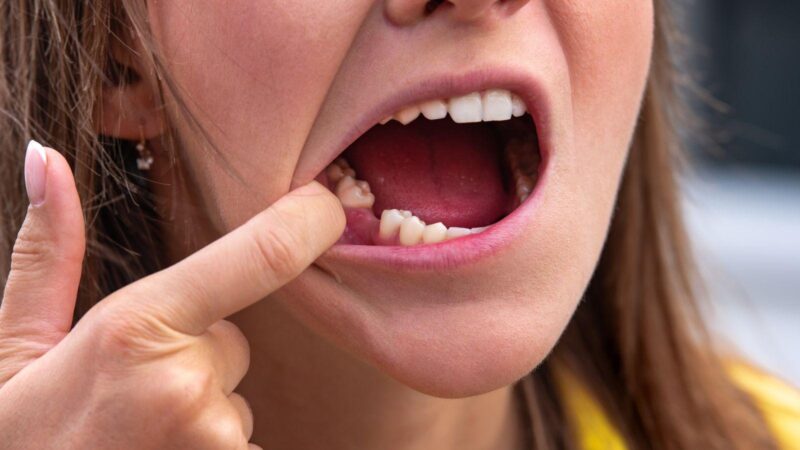
Assess whether the fracture exposes the tooth’s pulp (look for a dark center or severe, throbbing pain). If the pulp is exposed or the tooth is mobile, call an emergency dentist in Wilmington immediately.
If pain is manageable and no pulp is exposed, schedule same-day care to prevent infection and further breakage.
Injuries to Gums or Soft Tissues
For cuts to lips, tongue, or gums, first rinse with clean water and apply firm pressure with gauze to stop bleeding. Ice on the outside of the mouth reduces swelling and pain; seek help if bleeding doesn’t stop after 10–15 minutes or if you have numbness or trouble breathing.
Deep lacerations, puncture wounds, or injuries from dirty objects require urgent evaluation to assess for stitches, infection risk, and tetanus status. Your dentist will clean the wound, possibly suture soft tissue, and prescribe antibiotics or pain relief as needed.
If dental implants, crowns, or nearby teeth were displaced, bring photos or the knocked-out tooth if applicable when you come in.
Infections and Swelling
Infections in the mouth can progress quickly and cause visible swelling, pain, and systemic symptoms. Treating them early prevents complications and may save your tooth.
Visible Facial Swelling
If you notice swelling around your jaw, cheek, or under the eye, seek care immediately. Swelling that is firm, warm to the touch, or increasing over hours suggests an active infection such as a dental abscess or cellulitis.
Take note of symmetry: unilateral swelling near a specific tooth often points to a localized dental source. Monitor breathing and swallowing.
If swelling pushes the tongue or narrows the airway, call emergency services before you reach a clinic. In the meantime, avoid applying heat directly to the area, and keep your head elevated to reduce swelling.
Signs of Spreading Infection
Watch for fever, night sweats, swollen lymph nodes, or increasing redness tracking from the face toward the neck. These signs indicate the infection may be moving beyond the tooth and soft tissues and could reach deeper spaces in the head and neck.
You may also feel malaise, rapid heart rate, or difficulty opening your mouth (trismus). Document symptom onset and progression to tell the dentist: when swelling began, how fast it grew, any antibiotics taken, and associated symptoms.
Prompt drainage and antibiotics are often required; delayed treatment risks systemic infection or hospitalization.
Lost or Damaged Dental Work
You may lose a filling, crack a crown, or damage an orthodontic appliance during everyday activities. Act quickly to reduce pain, prevent infection, and preserve the tooth structure.
Dislodged Fillings or Crowns
If a filling or crown falls out, rinse the area with warm water and gently inspect the tooth for sharp edges or remaining restoration fragments. Keep the restoration if you can — bringing it to the dentist may allow temporary reattachment or guide replacement.
Avoid chewing on that side and cover exposed dentin with dental cement from a pharmacy if available to reduce sensitivity. Call an emergency dentist in Wilmington, NC when you have persistent pain, bleeding, visible decay, a loosened crown that won’t stay seated, or if the tooth feels high when you bite.
Treatment may include re-cementing, replacing the restoration, or performing a root canal if the pulp is infected.
Broken Braces or Appliances
Broken braces, loose wires, or cracked retainers can cut your cheeks, shift teeth, or interrupt treatment progress. Use orthodontic wax to cover poking wires and scissors to trim a protruding wire only if you can safely see and reach the end; otherwise, keep the mouth closed and call for urgent care.
Contact your orthodontist or an emergency dentist in Wilmington if the appliance causes pain, soft-tissue injury, or prevents you from closing your mouth properly. Emergency visits typically focus on stabilizing the appliance, smoothing or removing harmful components, and scheduling definitive repair to avoid tooth movement or prolonged treatment delays.
When Delaying Care Becomes Risky
Delaying treatment can turn a fixable problem into a complex medical issue. You may face stronger pain, higher costs, and greater risk to nearby teeth and your overall health.
Worsening Symptoms Over Time
If you ignore increasing tooth pain, swelling, or a loose tooth, the issue usually progresses rather than improves. A small cavity can turn into deep decay that reaches the pulp, causing intense pain and the need for root canal therapy or extraction.
Swelling that spreads across your face, jaw, or neck signals advancing infection. That infection can block airways or enter the bloodstream if not treated; prompt drainage and antibiotics often prevent these outcomes.
Bleeding that won’t stop after trauma or that restarts days later also requires immediate attention to avoid ongoing blood loss or clotting complications. Watch for fever, night sweats, or increasing difficulty opening your mouth.
Those symptoms indicate systemic involvement and mean you should contact an emergency dentist or go to the ER without delay.
Complications from Untreated Issues
Untreated dental infections can damage adjacent teeth and bone. The infection from one abscessed tooth may erode the supporting jawbone, making later restorative work — like implants or bridges — more difficult and costly.
You risk losing teeth that might otherwise be saved with timely care. Tooth fractures left exposed can allow bacteria into the root canal system, increasing the chance of extraction.
Chronic infections also raise the risk of spreading to the sinuses (maxillary sinusitis) or causing cellulitis in soft tissues. Financial and medical consequences often compound: emergency extractions, hospital visits for IV antibiotics, and more extensive reconstruction become likely when you wait.
Acting quickly reduces those risks and preserves more of your natural dentition.
What to Expect from an Emergency Dentist Visit
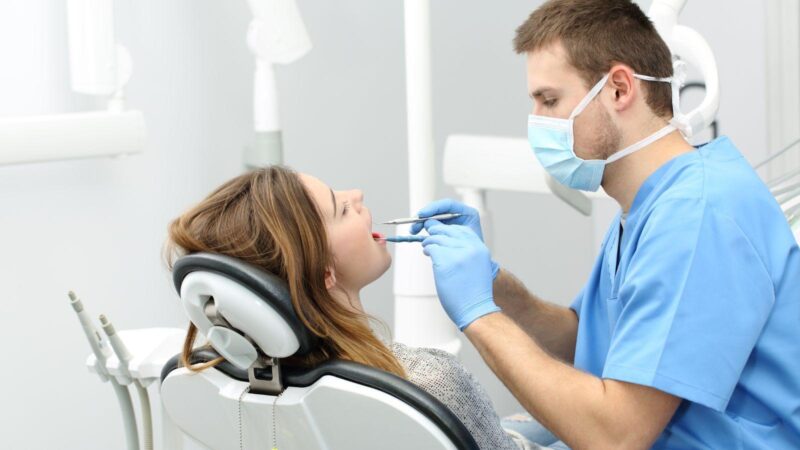
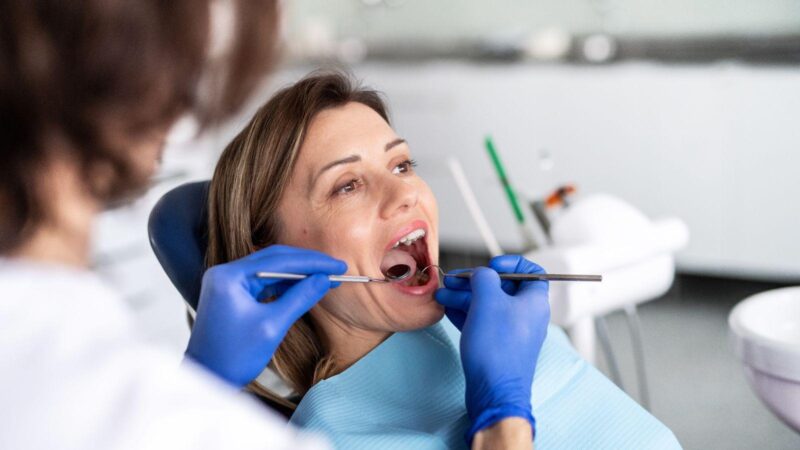
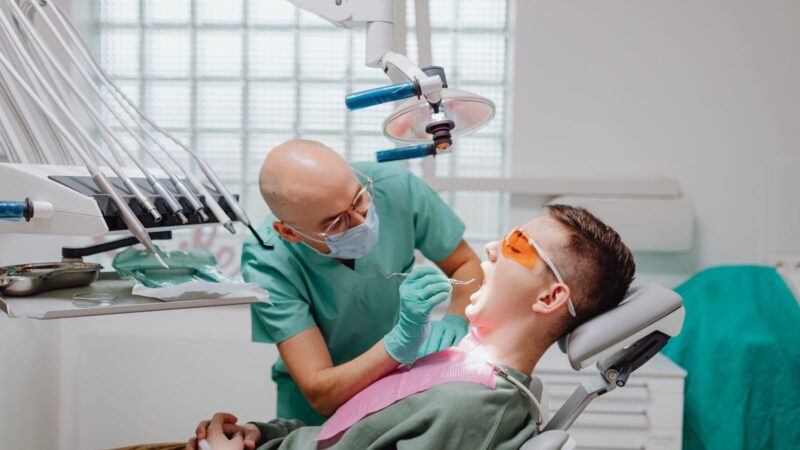
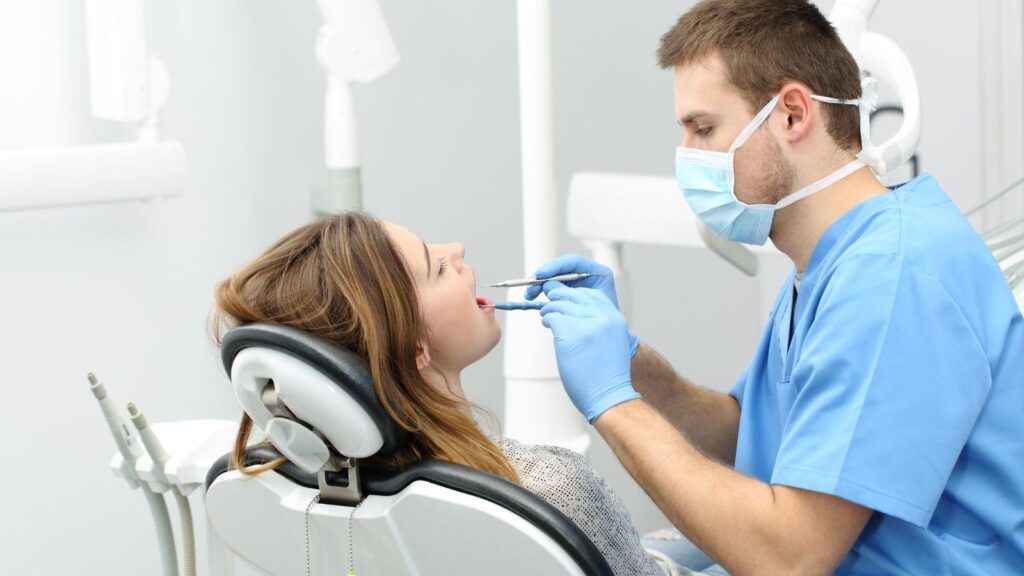
You will receive a focused exam to identify the immediate problem and prompt treatment to control pain, stop bleeding, or stabilize damaged teeth. Staff often collect a concise medical history and may take X‑rays or photos to guide treatment decisions.
Assessment and Diagnosis
When you arrive, staff will ask when the pain or injury started, what makes it worse, and any relevant medical conditions or medications. Expect a focused oral exam that checks for swelling, bleeding, loose teeth, and signs of infection.
The dentist may take bitewing or periapical X‑rays, or a CBCT if a complex jaw injury or root problem is suspected. Imaging helps decide between extraction, root canal, or conservative repair.
If you have facial swelling, fever, trouble breathing, or difficulty swallowing, the team will evaluate airway and systemic risk and may refer you to an ER. You’ll receive a clear explanation of findings and an immediate treatment plan with estimated costs and follow‑up steps.
Emergency Treatments Available
Treatment targets pain control, infection management, and stabilization of damaged teeth. Common immediate treatments include:
- Local anesthesia and drainage of an abscess.
- Temporary fillings, bonding, or dental cement for fractured teeth.
- Tooth splinting for loosened or partially avulsed teeth.
- Extractions when a tooth is non‑restorable or causing severe infection.
The dentist can prescribe antibiotics and oral pain medication if infection or systemic signs exist. For knocked‑out teeth, prompt reimplantation within an hour gives the best chance of saving the tooth; the team will instruct you on transport and timing.
You’ll get post‑procedure instructions for home care, pain management, and a timeline for definitive treatment such as root canal therapy, permanent restorations, or referral to a specialist when needed.
Preventing Future Dental Emergencies
Focus on daily habits that reduce decay, gum disease, and injury risk. Use practical protective steps and routine care to limit the chance you need urgent dental treatment.
Tips for Oral Health Maintenance
Brush at least twice daily with a fluoride toothpaste for two minutes each time. Use a soft-bristled brush and reach all tooth surfaces; replace the brush every three months or sooner if bristles fray.
Floss once daily, sliding between teeth and under the gumline to remove trapped food and plaque that cause decay and abscesses. Schedule dental checkups and cleanings every six months, or more often if your dentist recommends it for gum disease or prior decay.
Get bitewing X-rays as advised to detect hidden cavities early. Limit sugary snacks and acidic beverages; choose water, dairy, or plain tea and eat fiber-rich vegetables to stimulate saliva and protect enamel.
If you have dry mouth, ask your dentist about saliva substitutes or prescription options to reduce caries risk.
Protective Measures for Teeth
Wear a custom mouthguard when you play contact sports or do activities with fall risk. Over-the-counter boil-and-bite guards help, but a dentist-fitted guard offers a better fit and improved shock absorption.
If you grind or clench your teeth at night, get a nightguard. Grinding wears enamel, loosens restorations, and can lead to fractures that require emergency care.
Avoid using teeth as tools to open packages or crack nuts; use scissors or appropriate tools instead. Don’t chew ice, popcorn kernels, or hard candies that can chip or split teeth.
Consider dental sealants on vulnerable molars if you’re prone to cavities; ask your dentist during your next exam whether sealants or topical fluoride varnish would lower your future emergency risk.
Choosing the Right Emergency Dental Care in Wilmington, NC
Focus on credentials, response time, and whether the practice handles your specific problem. Prioritize clinics that offer same-day assessments, clear pricing, and direct communication lines so you know what to expect before you arrive.
Finding Qualified Providers
Look for a dentist who lists emergency dentistry or same-day appointments on their website and holds active NC licensure. Verify credentials by checking the North Carolina Dental Board and look for specialists—endodontists for severe tooth pain, oral surgeons for facial trauma—if your injury matches their expertise.
Check patient reviews for consistent reports about quick response and compassionate care. Confirm the clinic performs commonly needed emergency procedures: extractions, root canals, and repair of broken teeth.
Ask about infection-control protocols and whether the staff includes experienced emergency-trained assistants. Use a short checklist when you call:
- License and emergency experience
- Accepted insurance and self-pay rates
- Typical wait time for same-day slots
- Availability of on-site X-ray or sedation
This helps you compare options quickly and pick a provider who can treat your situation effectively.
After-Hours Services
Confirm published after-hours options before an emergency occurs.
Many Wilmington practices advertise 7-days-a-week availability or an on-call clinician; ask whether that means an in-office appointment or phone triage only.
Find out exact hours and the best number to call for nights or weekends.
Some clinics partner with regional emergency dental centers that offer walk-in or late-evening care; verify whether those partners accept your insurance or require upfront payment.
If you need urgent care overnight, ask if the clinic will:
- Schedule a same-day morning slot or
- Provide immediate phone guidance for pain control and bleeding
Clear directions on where to go and what to bring will reduce delays and let you get treated faster.
About The Author