What Happens If You Don’t Replace a Missing Tooth? Risks Chula Vista Patients Should Know — Long‑Term Health, Function, and Treatment Options
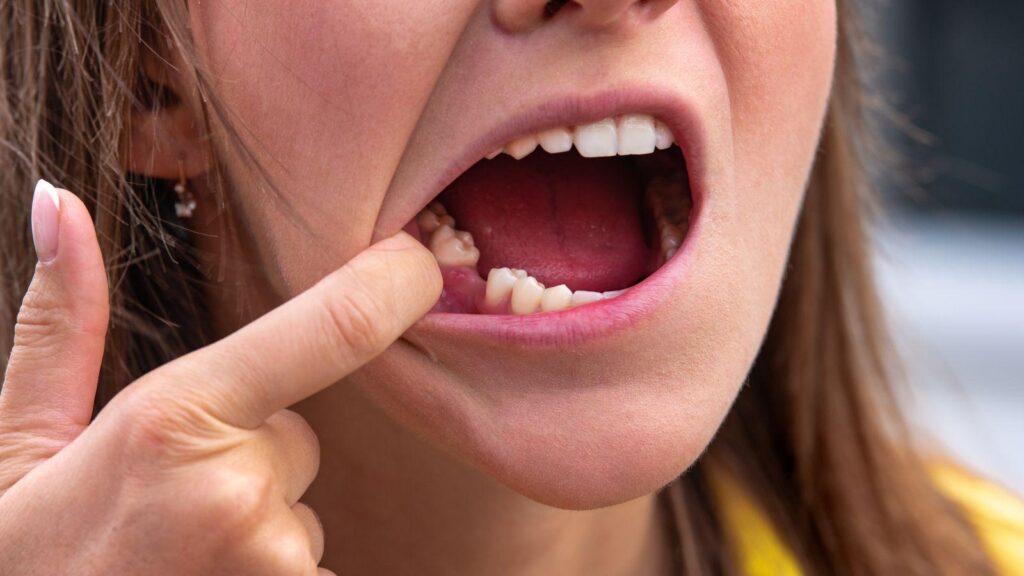
Losing a tooth may feel minor at first, but it triggers changes that affect your bite, jawbone, and nearby teeth. If you don’t replace a missing tooth, you risk bone loss, shifting teeth, bite problems, and increased wear or pain that can make chewing, speaking, and smiling harder over time.
You will also face aesthetic and emotional effects that affect confidence. Treatment can become more complex and costly the longer you wait — which is why exploring affordable dental implants in Chula Vista sooner rather than later can save you both money and complications.
The rest of this article explains the oral-health consequences, how daily function and appearance can change, treatment options available in Chula Vista, and why acting early gives you the best outcomes.
Oral Health Consequences
Leaving a gap from a missing tooth affects more than appearance. You may face structural changes in bone, shifting of neighboring teeth, and alterations in the surrounding gum tissue that raise infection and bite‑function risks.
Bone Loss and Jaw Deterioration
When a tooth root is gone, the jawbone in that area loses the regular stimulation from chewing that keeps it dense. Without that stimulus, bone remodeling favors resorption: the ridge height and width decrease over months to years, which can make later implant placement more complex and may require bone grafting.
Reduced bone volume also changes facial support. You might notice a flattened cheek or deeper lines around the mouth as nearby bone collapses.
Shifting of Adjacent Teeth
Teeth next to the empty space have no opposing force and tend to tilt or drift toward the gap. This movement can occur within weeks to months and alters your bite relationship—creating gaps, crowding, or the extruding of teeth from the opposite arch.
A changed bite increases wear on certain teeth and raises your risk of fracture, sensitivity, and TMJ strain.
Gum Tissue Changes
Gum tissue over a missing tooth often recedes and collapses into the empty space, making the area harder to clean and more prone to plaque retention. That trapped plaque raises your risk of localized gum inflammation and periodontal pockets around adjacent teeth.
Over time, soft-tissue collapse can compromise the aesthetic result of later restorations and may necessitate soft-tissue grafts. You should monitor the site for redness, bleeding, or persistent bad taste, and seek treatment if signs of infection or worsening recession appear.
Impact on Daily Function
A single missing tooth can change how you eat and speak. Those changes can affect your daily comfort and social confidence.
You may notice immediate practical problems and gradual adaptations that become habits.
Difficulty Chewing and Speaking
You will likely shift chewing to the opposite side, which increases wear on those teeth and can cause jaw muscle fatigue. Hard or chewy foods—nuts, steak, raw vegetables—become harder to bite and may force you to avoid them or cut them into small pieces.
Missing back teeth reduce your ability to grind food efficiently, which can lead to larger food particles entering your stomach and potential digestive discomfort. If a front tooth is missing, you might lisp or have trouble pronouncing sounds like “s,” “th,” and “f,” especially in noisy environments or during public speaking.
Changes in Diet and Nutrition
You may unconsciously favor soft, processed foods that are easier to chew, such as white bread, mashed potatoes, and canned soups. Over time this shift can reduce intake of fiber, vitamins, and protein found in fresh fruits, vegetables, and lean meats.
If you avoid certain food groups because they’re hard to chew, you risk deficiencies—iron, calcium, vitamin C—and potential weight changes.
Aesthetic and Emotional Effects
Missing a tooth changes how your face looks and how you feel about yourself. Expect specific shifts in jawline support, smile symmetry, and daily social confidence.
Altered Facial Appearance
When you lose a tooth, the bone that once supported it begins to remodel and resorb. Over months to years, that bone loss can reduce vertical height in the mouth and lead to a collapsed appearance around the lips and cheeks.
You may notice sharper nasolabial folds, a less defined jawline, or a sunken area where the tooth once sat. These changes are more pronounced if you lose back teeth that support facial structure or multiple adjacent teeth that change overall mouth contour.
Decreased Self-Confidence
A visible gap or an uneven smile often affects how you interact socially and professionally. You might avoid smiling in photos, cover your mouth while talking, or decline social invitations because you feel self-conscious.
Functional problems—like difficulty speaking clearly or chewing certain foods—add daily reminders of the missing tooth and reinforce negative feelings. That can lead to reduced participation in situations where you previously felt comfortable.
Long-Term Dental Complications
Missing a tooth can start a chain of changes in your mouth that affect nearby teeth, bone health, and how you chew. Addressing these issues sooner reduces the chance of more complex treatment later.
Increased Risk of Tooth Decay
When a tooth is missing, the adjacent teeth often bear extra stress during chewing. That added load can cause microfractures in enamel and make cleaning harder, increasing plaque accumulation along gumlines and between teeth.
You become more susceptible to cavities on the teeth next to the gap, especially on surfaces that were previously protected by the missing tooth. Food can also trap in the empty space and along broken contact points, feeding bacteria that produce acid.
If you have existing restorations near the gap, those restorations can fail sooner because of altered forces and greater bacterial challenge. Regular professional cleanings and targeted brushing/flossing around the area lower these risks, but replacing the tooth removes many of the mechanical causes of decay.
Development of Bite Problems
A missing tooth allows neighboring teeth to tilt or drift toward the gap. Over months to years, that movement changes your bite (occlusion), which can create uneven contact between upper and lower teeth.
You may notice new sensitivity, difficulty chewing on one side, or premature wear on certain teeth. Opposing teeth can over-erupt into the empty space, reducing space for future restorations and complicating implant or bridge placement.
Altered bite forces can also strain your jaw joints and muscles, increasing the risk of TMJ-related pain, headaches, and muscle fatigue.
Treatment Considerations
You should weigh durability, cost, healing time, and how each option affects adjacent teeth and bone. Timing matters: early intervention can preserve bone and simplify treatment, while delays may require bone grafting or orthodontic work.
Available Tooth Replacement Options
- Dental implants: A titanium post placed in the jaw supports a crown. Implants preserve bone by transmitting forces to the jaw, avoid altering neighboring teeth, and typically last decades with proper care.
- Expect 3–6 months from placement to final crown if grafting or healing is needed.
- Fixed dental bridges: A pontic attaches to crowns on adjacent teeth. Bridges restore function quickly and cost less up front than implants, but they require enamel reduction on neighboring teeth and do not prevent local bone loss.
- Removable partial dentures: Acrylic or metal frameworks replace one or more teeth. They offer lower cost and noninvasive preparation, but they can be bulkier, require daily removal and cleaning, and may accelerate wear on supporting teeth.
- Temporary/provisional options: Essix retainers or flipper teeth provide immediate esthetics while planning definitive care. Use them short-term; they don’t stop underlying bone resorption.
Consider medical history (diabetes, smoking), bone volume, oral hygiene, and budget when comparing options.
Determining the Right Time for Intervention
Acting within weeks to months reduces risk of significant bone loss and shifting of adjacent teeth. If the extraction socket is recent, you may be eligible for immediate implant placement or a socket graft to preserve ridge height.
Discuss this with your dentist within 4–8 weeks after tooth loss. If you delay more than several months, expect possible complications: bone grafting to rebuild the ridge, orthodontic movement to correct drifting teeth, or more complex prosthetic planning.
Also factor in systemic health—uncontrolled diabetes or heavy smoking may require medical stabilization before implant surgery. Prioritize a clinical exam, CBCT or periapical imaging, and a treatment timeline tailored to your oral anatomy and lifestyle.
Importance of Early Dental Care
Acting quickly after a tooth is lost preserves more treatment options and reduces future complexity. You keep restorations like dental implants simpler when bone volume and nearby tooth positions remain stable.
Delaying care increases risks such as jawbone resorption, shifting teeth, and bite changes. These problems can require more invasive procedures later, like bone grafts or orthodontic work, which raise cost and recovery time.
Early evaluation lets your dentist assess bone health, gum condition, and alignment. They can recommend immediate or staged solutions—temporary prosthetics, implants, bridges, or dentures—tailored to your oral health and lifestyle.
Benefits of early care include:
- Maintaining jawbone strength and facial support
- Preventing adjacent teeth from drifting or tilting
- Preserving bite function and reducing TMJ strain
You can also use this time to address underlying causes like decay or gum disease. Treating the cause lowers the chance of further tooth loss and improves long-term outcomes for any replacement you choose.
If you smoke or have systemic health issues, mention them during consultation. These factors affect healing and the success of implants or grafts, so early management improves your options and results.
Local Factors for Chula Vista Patients
You may face specific local factors in Chula Vista that influence how a missing tooth affects your mouth. Coastal climate, access to dental specialists, and local water fluoridation can all play minor roles in oral health outcomes.
If you live near the coast, higher humidity can accelerate dental adhesive breakdown for some removable appliances. That can make dentures or temporary bridges less stable and increase the need for adjustments.
Your proximity to dental specialists matters. Chula Vista has general dentists and prosthodontists, but appointment wait times vary.
Local patterns of diet and lifestyle affect risk too. If your diet includes frequent sugary or acidic foods and drinks, you may have a higher chance of decay in adjacent teeth after a loss.
Smoking and vaping, which are more common in some communities, also increase gum disease risk and complicate replacement options like implants.
Consider transportation and work schedules when planning treatment. Implant therapy and some bridgework require multiple visits over months.
If you have limited time or travel constraints, discuss shorter-term prosthetic solutions so you don’t leave the space open longer than necessary.
Costs and insurance coverage in your area determine which replacements are realistic. Ask your Chula Vista provider about local financing, Medicaid/ADHP options, and community clinics that can help bridge the gap if affordability delays treatment.
About The Author