6 Questions to Ask Before Choosing a Dentist in Evansville, IN — Essential Tips for Finding the Right Practice
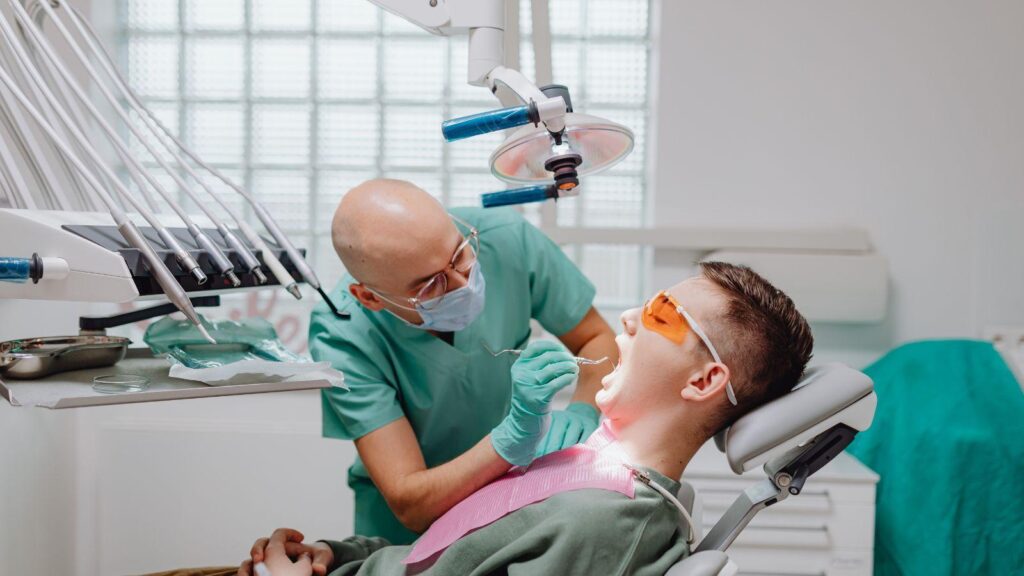
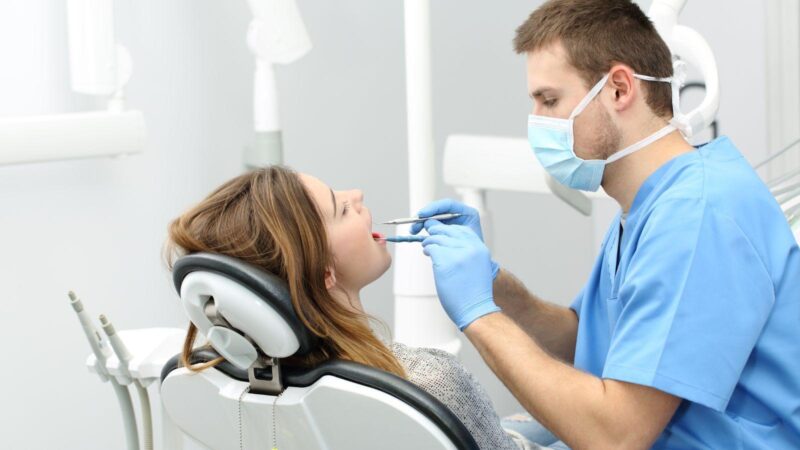
Choosing a dentist in Evansville affects your comfort, budget, and long-term oral health, so you should make that choice deliberately. Ask targeted questions about a dentist’s qualifications, the services and technology they offer, patient care practices, location and accessibility, payment options, and local reputation to quickly determine whether a practice fits your needs.
You’ll want practical details that matter: where the office sits, whether they accept your insurance, how they handle pain and anxiety, what restorative or cosmetic options they provide, and how current their equipment is.
A good general dentist in Evansville, IN should be able to answer these questions clearly and back them up with a track record of patient trust. Scanning patient reviews and confirming a dentist’s experience will save you time and avoid surprises at your first appointment.
Evaluating Qualifications of Dental Professionals
Focus on verifiable credentials, relevant clinical experience, and active professional development. These elements determine diagnostic accuracy, treatment safety, and whether the practice can manage your specific dental needs.
Dentist Credentials and Certifications
Check the dentist’s DDS or DMD and the issuing school and graduation year. You can verify licensure through the Indiana Professional Licensing Agency website to confirm the license is current and whether any disciplinary actions exist.
Look for additional certifications that matter to you: ACLS/BLS for sedation, Invisalign certification for orthodontic aligners, or sedation dentistry permits if you need anxiety management. If you require implants, ask for certificate programs or fellowship training in implantology.
Request copies or documented proof during your first visit or view credentials displayed in the office. Note any board certifications for specialists (e.g., American Board of Orthodontics) when you’re referred for advanced care.
Years of Experience and Specializations
Ask how long the dentist has practiced in Evansville and how many procedures like yours they perform annually. Volume matters: a dentist who places implants or performs root canals frequently will usually have better outcomes than one who rarely does them.
Identify whether the provider is a general dentist handling most treatments or a specialist (endodontist, periodontist, oral surgeon). For complex care—full-mouth restorations, complex extractions, or TMJ treatment—prefer a specialist with documented case histories.
Request case photos or patient testimonials for similar procedures. If you have specific needs—pediatric care, geriatric management, or anxiety-related sedation—verify that their experience includes those patient groups.
Professional Memberships and Continuing Education
Look for memberships in professional organizations such as the American Dental Association, Indiana Dental Association, or local Evansville dental societies. Active membership suggests adherence to ethical standards and access to current clinical guidelines.
Ask how many continuing education hours the dentist completes annually and what recent courses they’ve taken. Prioritize clinicians who pursue hands-on training in new technologies you may need (digital 3D imaging, laser dentistry, CAD/CAM restorations).
Check whether the practice hosts or sponsors community education events or participates in peer-review groups. Those activities indicate ongoing learning and peer accountability, which improves care quality and safety.
Assessing Dental Services and Technology
Look for specific treatments you or your family might need and verify the clinic’s diagnostic and treatment technology. Prioritize offices that list services and equipment clearly so you can compare choices quickly.
Range of Dental Treatments Offered
Ask whether the practice provides preventive care (cleanings, exams, fluoride) and restorative work like fillings, crowns, and root canals. Confirm availability of family dentistry if you need pediatric care, and check for orthodontics, implants, or periodontal therapy if you anticipate those needs.
Look for clear policies on referrals. If the office doesn’t perform a needed specialty procedure, they should have established relationships with local endodontists, oral surgeons, or pediatric specialists in Evansville.
Request examples of routine treatment plans and typical timelines. That helps you evaluate whether the practice emphasizes conservative care, offers alternatives (e.g., tooth-colored restorations vs. amalgam), and manages complex cases without unnecessary delays.
Modern Equipment and Digital Tools
Verify use of digital X-rays and intraoral cameras; these reduce radiation and let you see problems the dentist points out. Ask if the office uses cone beam CT (CBCT) for implant planning or complex surgical cases, which improves diagnostic accuracy.
Check for chairside CAD/CAM systems if you want same-day crowns or veneers, and confirm whether digital impressions replace messy putty in the procedures you may need. Inquire about electronic health records and secure patient portals for appointment management, treatment plans, and billing access.
If sedation or laser treatments matter to you, ask which systems the office uses and whether staff have relevant certifications. Insist on seeing device maintenance records or manufacturer info if you have safety concerns.
Understanding Patient Care and Comfort
You should know how the practice handles pain, anxiety, and information sharing so you can make informed decisions and feel safe during visits. Key elements include available sedation methods, staff training in comfort measures, and how clearly the team explains procedures and aftercare.
Pain Management and Sedation Options
Ask which pain-control methods the office uses for routine and complex procedures. Confirm whether they offer local anesthetic techniques, nitrous oxide (laughing gas), oral conscious sedation, or IV sedation for longer or more invasive treatments.
Request specifics: the typical drugs or concentrations used, how they monitor you during sedation, and recovery expectations. Check staff qualifications and emergency protocols.
Make sure the dentist and assistants are trained in sedation—look for certification in advanced cardiac life support (ACLS) or basic life support (BLS). Ask about pre‑visit instructions, fasting rules, and whether you’ll need a driver home.
If you have medical conditions or take medications, bring a current list and ask how those affect sedation choices. Also inquire about pain-management plans after treatment, including prescriptions, nonopioid alternatives, and written aftercare instructions.
Communication Style and Patient Education
Determine how the dentist explains diagnoses, treatment options, risks, and costs. Prefer practices that use visual aids—digital X‑rays, intraoral photos, or diagrams—to show issues and proposed fixes.
Ask for a step‑by‑step treatment plan with timeline and estimated fees in writing. Assess how the team handles questions during and after appointments.
Find out whether they schedule a consultation visit, offer printed or electronic educational materials, and provide direct contact for post‑op concerns. Clarify how they document consent and whether they review alternatives and expected outcomes.
Notice the tone they use: do they answer plainly, check your understanding, and tailor explanations to your needs? Good communication reduces anxiety and improves adherence to follow‑up care.
Considering Office Location and Accessibility
Location, parking, hours, and emergency access affect how often you keep appointments and how quickly you get urgent care. Focus on commute time from your home or work, parking or transit options, and whether the office offers after-hours support or same-day emergency visits.
Proximity and Parking Availability
Choose a dental office within a 15–25 minute drive from where you live or work to reduce missed appointments. Verify exact address and test the drive during the time you’d typically travel—rush-hour traffic near Lloyd Expressway or downtown can add 10–20 minutes.
Ask whether the office offers on-site parking, reserved patient spaces, or validated parking for nearby garages. If you rely on public transit, check routes 2, 4, or 10 for stops within a 5–10 minute walk of the practice.
Confirm accessibility features if mobility is a concern: ground-floor entry, ramps, wide doorways, and ADA-compliant restrooms. If you bring children or an elderly family member, look for stroller-friendly entrances and seating in the waiting area.
Office Hours and Emergency Care
Look for offices that offer early morning (7–8 a.m.), evening (after 5 p.m.), or Saturday hours to fit work and school schedules. Ask which providers work late and whether those hours are regular or only occasional.
Clarify the office’s emergency protocol: do they guarantee same-day appointments for dental pain, or provide an on-call dentist after hours? Request the after-hours phone number and typical response time.
Verify billing and insurance handling for emergency visits. If you have a PPO or Medicaid, confirm whether emergency services are covered and whether the office files claims directly to avoid surprise costs.
Reviewing Insurance and Payment Flexibility
Know which insurers the office accepts, whether they file claims for you, and what out-of-pocket costs to expect. Also check for in-office payment plans, third-party financing, and options for uninsured visits.
Accepted Insurance Plans
Ask the practice for a current list of carrier networks and plan IDs they accept. Confirm whether they participate as an in-network provider (which lowers your copay) or as out-of-network (you may pay more and submit claims yourself).
Request examples of common procedures with estimated patient responsibility under your specific plan—cleanings, crowns, root canals—so you avoid surprises. Verify whether the office submits claims directly to your insurer and how they handle prior authorizations for major services.
If you have Medicaid or state plans, confirm eligibility and whether the practice limits the types of covered procedures they will provide.
Flexible Payment Arrangements
Ask if the office offers interest-free in-house payment plans and what qualifying criteria apply. Get details on deposit amounts, monthly payment length, and penalties for missed payments.
Check whether the practice partners with third-party financiers like CareCredit or LendingClub and compare typical APRs, application timelines, and approval rates. For uninsured or high-cost treatments, request a written estimate and ask about staged treatment to spread costs over multiple visits.
Confirm accepted payment methods—credit cards, checks, HSA/FSA cards—and whether they offer discounts for upfront cash payment.
Exploring Patient Reviews and Community Reputation
Look for patterns in feedback and check how the practice responds to problems. Pay attention to specifics such as wait times, staff friendliness, treatment outcomes, and billing transparency.
Online Testimonials and Ratings
Scan multiple sites: Google Reviews, Facebook, Healthgrades, and Yelp often show different patient pools. Focus on reviews that mention the same details repeatedly — for example, consistent praise for gentle cleanings or repeated complaints about long scheduling delays.
Evaluate recent reviews (past 12–18 months) more heavily than older praise. Note how the office responds to negative reviews: a prompt, professional reply that offers contact details suggests accountability.
Use star ratings as a quick filter, but read several full reviews before deciding. Filter for reviews by treatment type that matters to you, such as root canals, implants, or pediatric care.
If many reviewers describe clear cost estimates or written treatment plans, that indicates transparent pricing and communication.
Word-of-Mouth Recommendations
Ask neighbors, coworkers, or your primary care provider in Evansville for specific experiences rather than general endorsements. Request details like scheduling ease, how the staff managed insurance claims, and whether follow-up care was thorough.
When someone recommends a dentist, ask which hygienist or dentist they saw and for what procedure. Personal referrals that include outcomes — such as a painless crown or successful implant — carry more weight than vague “they’re good” statements.
Consider local community sources: neighborhood Facebook groups and Nextdoor often reveal real-time issues like sudden staff turnover or office renovations that might affect your initial visits.
Conclusion
Use these six questions as a practical checklist when you evaluate dentists in Evansville. They help you compare qualifications, communication style, services, cost, and accessibility.
Trust your impressions during a first call or visit. Good communication and clear answers often predict smoother treatment and better long-term care.
If you have dental insurance, confirm network participation and typical out-of-pocket costs before scheduling. If you pay privately, ask about payment options and financing.
Look at recent patient reviews and local ratings to spot consistent strengths or recurring issues. Combine that input with a short list of providers you can actually reach and whose office hours fit your schedule.
Make a trial appointment for a routine checkup to gauge comfort, office flow, and staff professionalism. That firsthand experience will tell you more than brochures or websites.
Keep a simple comparison table for finalists to track answers to the six questions and any follow-up items. This makes the choice transparent and helps you select the dental care that fits your needs.
About The Author