The True Cost of Delaying Tooth Replacement in New Market, VA — Long-Term Health and Financial Consequences
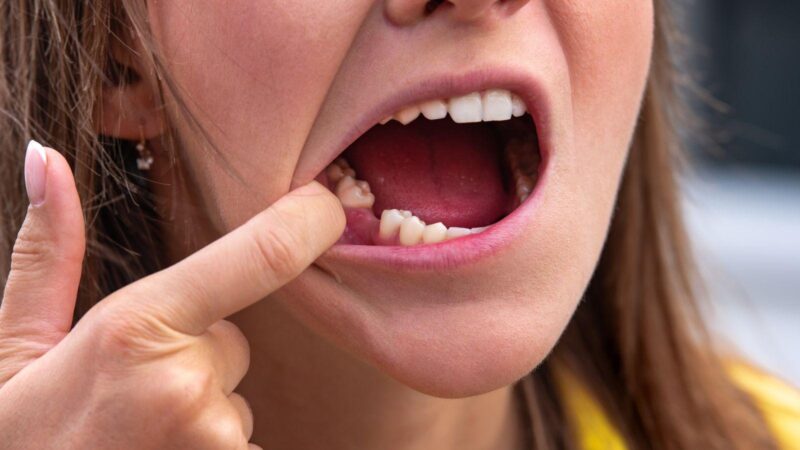
Missing a tooth affects more than how you smile; it changes how your mouth functions and can lead to bone loss, shifting teeth, and higher treatment needs down the road.
You’ll explore how delays translate into real financial and health consequences in New Market, VA — from emergency care and expanding treatment plans to long-term options like tooth replacement in New Market, VA such as implants that often prove more cost-effective over decades.
Expect clear comparisons of replacement choices, local factors that influence cost and access, and practical steps you can take now to protect your oral health.
Understanding Dental Health Impacts
Delaying tooth replacement can cause steady, measurable changes in your mouth that affect function, appearance, and future treatment options.
The sections below explain how bone, gums, adjacent teeth, and facial support respond when a tooth is not replaced promptly.
Bone Loss After Tooth Loss
When a tooth is lost, the jawbone beneath no longer receives the mechanical stimulation from chewing that keeps bone tissue active.
Within months you can begin to see localized bone resorption; over several years the ridge height and width shrink, which can complicate later implant placement and increase the need for bone grafting.
Bone loss also changes how dentures or bridges fit.
If you plan an implant, inadequate bone volume may require additional surgeries, longer healing times, and higher costs.
Monitor bone levels with periodic X‑rays and discuss early implant placement or grafting to preserve ridge shape if you want to minimize future procedures.
Gum Disease Risks
Missing teeth create pockets and uneven surfaces where plaque and food debris accumulate more easily.
Those areas raise your risk of localized gingivitis and, if untreated, progression to periodontitis that damages connective tissue and bone supporting neighboring teeth.
If you already have gum disease, a gap can accelerate spread around adjacent teeth.
You should keep the space clean, maintain regular periodontal checks, and treat inflammation promptly.
Replacing the tooth can restore easier hygiene and reduce risk of further periodontal breakdown.
Shifting Teeth and Bite Changes
Adjacent and opposing teeth move toward empty space.
That drifting causes tilting, rotation, and extrusion (overeruption) of the opposing tooth, altering how your teeth contact during chewing.
These shifts change your bite (occlusion), which can produce uneven wear, jaw joint strain, and muscle pain.
You may need orthodontics, crowns, or bridges later to reestablish proper alignment.
Early replacement keeps neighboring teeth in their intended positions and often avoids more extensive restorative or orthodontic work.
Changes in Facial Structure
Teeth and underlying bone provide support for lips and cheeks.
As bone resorbs and teeth shift, you can notice decreased lower face height, deeper nasolabial folds, and a collapsed appearance around the mouth.
These changes progress gradually but become more evident with multiple missing teeth or long delays.
Tooth replacement options—implants, fixed bridges, or well‑fitted dentures—restore support to soft tissues.
Replacing a tooth sooner preserves natural contours and reduces the scope of cosmetic and reconstructive treatment later.
Financial Consequences of Waiting
Waiting to replace a missing tooth raises direct costs, limits what insurance will pay, and often creates new problems that multiply expenses over time.
Expect higher-priced procedures, narrower coverage windows, and added fees for treating complications that could have been prevented.
Increased Future Treatment Costs
If you delay, a simple replacement like a bridge or implant can become more complex.
Bone loss at the extraction site can require grafting before an implant; grafting adds $500–$3,000 or more and can extend treatment by months.
Shifting from a single-tooth solution to full-arch prosthetics also increases fees dramatically.
For example, replacing multiple drifting teeth may move you from a single crown (~$800–$1,500) to several crowns or an implant-supported bridge (several thousand dollars).
You also risk losing adjacent tooth structure from shifting or wear.
Restoring those teeth later often requires root canals, crowns, or orthodontics, each adding hundreds to thousands of dollars compared with acting promptly.
Insurance Coverage Limitations
Your dental insurance often covers a percentage of allowed costs but applies waiting periods and annual maximums.
If you postpone until a new plan year or change employers, you might hit a new annual maximum that pays only a portion of an expensive procedure.
Many plans exclude implant coverage or limit implants to a small lifetime benefit; waiting can push you into a situation where insurance contributes nothing toward the best long-term option.
Pre-authorization rules matter.
If a condition worsens beyond the procedure originally approved, insurers may deny coverage for the expanded treatment, leaving you responsible for the increased balance.
Compounded Expenses from Delayed Care
Delays increase the chance of infection, emergency visits, and urgent tooth extractions, all of which raise immediate and follow-up costs.
Emergency pain management and antibiotics might cost $50–$200, while an urgent extraction and temporary restoration can add several hundred dollars.
You may also face indirect costs: missed work, dietary changes, and repeated dental appointments for interim solutions.
These recurring expenses accumulate faster than a planned, definitive replacement and can exceed the original projected treatment cost.
Effects on Everyday Quality of Life
Missing a tooth affects how you eat, speak, and interact.
Over time these changes can alter what you can chew, how you sound, and how comfortable you feel in social or professional settings.
Difficulty Eating and Speaking
You will likely notice reduced biting power on the side with the missing tooth.
Hard, crunchy, or chewy foods such as apples, steak, and raw carrots become harder to eat and may force you to change chewing patterns that increase wear on other teeth.
Speech can change when a front or molar tooth is gone.
You may develop a lisp or have trouble enunciating s, t, and f sounds.
These speech shifts can appear quickly and persist unless you replace the tooth or work with a dentist or speech therapist.
If you delay replacement long enough, neighboring teeth can shift into the gap.
That movement creates gaps and misalignment that further complicate chewing and make accurate dental restorations more difficult later.
Decreased Confidence and Social Impact
A visible gap can make you self-conscious in interpersonal situations.
You may avoid smiling, laughing, or speaking up during meetings and social events to hide the missing tooth.
This avoidance can affect relationships and career opportunities where first impressions matter.
Clients, coworkers, or dating partners often respond to facial appearance and speech; reduced confidence can limit your willingness to pursue new contacts or roles.
Nutritional Concerns
Loss of chewing efficiency often leads you to choose softer, processed foods that require less effort to eat.
Over time this shift can reduce intake of fiber, lean proteins, and raw produce that support heart health and digestion.
If you avoid certain foods because they’re hard to chew, you risk deficiencies in vitamins and minerals, particularly vitamin C, potassium, and protein.
These gaps can worsen chronic conditions like diabetes or slow recovery from illness.
Timely tooth replacement preserves chewing function and helps you maintain a balanced diet.
Delaying treatment increases the likelihood you’ll need dietary changes or supplements to compensate for foods you can no longer eat comfortably.
Comparing Modern Replacement Options
You’ll weigh cost, durability, and how each option affects chewing, speech, and bone health.
Consider upfront price, maintenance needs, and the typical lifespan of each solution when choosing for New Market, VA.
Dental Implants vs. Bridges
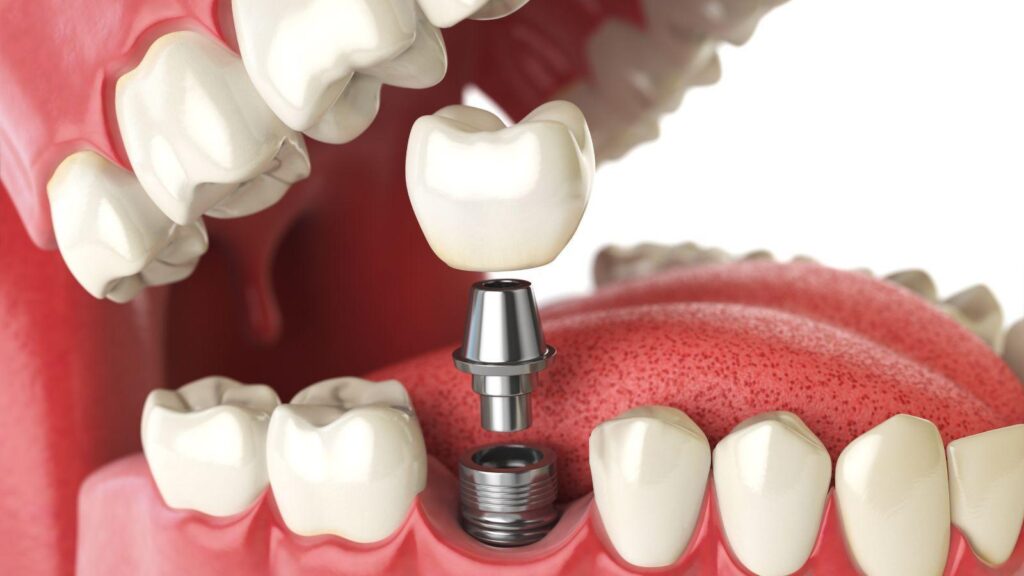
Dental implants replace the tooth root with a titanium post topped by a crown.
You get a fixed restoration that preserves adjacent teeth and limits bone loss, but expect a typical out-of-pocket range of about $3,000–$6,000 per tooth depending on implant brand, surgical complexity, and local fees.
Bridges anchor a crown to adjacent teeth and usually cost less upfront—often $1,500–$5,200 for a traditional 3-unit bridge.
They require altering healthy teeth and do not prevent jawbone resorption at the extraction site.
You’ll need regular checks for decay under bridge abutments and possible replacement every 10–15 years.
If you have sufficient jawbone and can afford the initial investment, implants offer longer-term stability and lower risk of future adjacent tooth treatment.
If you need a faster, lower-cost solution or you’re not a surgical candidate, a bridge can restore function and appearance more quickly.
Pros and Cons of Dentures
Dentures cover a broad range from temporary flippers to full or partial removable prostheses.
A basic partial or full denture is the lowest-cost solution up front—partials often run in the low thousands—making them accessible when budget or multiple missing teeth are factors.
Removable dentures restore appearance and basic chewing but require daily removal and cleaning.
They can cause sore spots, reduced bite force, and accelerated bone loss where teeth are missing.
You may need periodic relining or replacement every 5–8 years as the jaw changes.
Implant-supported dentures combine stability with lower long-term bone loss but raise cost significantly.
Choose removable dentures if you prioritize lower initial cost or have multiple missing teeth and need a non-surgical option.
Long-Term Success Rates
Implant survival rates in clinical studies typically exceed 90% at 10 years when placed and maintained correctly.
Success depends on factors you can control: oral hygiene, smoking status, diabetes control, and regular dental visits.
Local surgical experience and bone quality in your jaw also influence outcomes.
Traditional bridges show acceptable performance for many patients but often require replacement or retreatment within 10–15 years due to decay, fracture, or failure of supporting teeth.
Removable dentures have the shortest functional lifespan and greatest variability because fit changes as bone resorbs.
Plan for long-term costs: higher initial spending on implants often reduces replacement and maintenance expenses later.
Talk with your New Market dentist about clinical exam findings, imaging (CBCT or panoramic), and a cost timeline tailored to your oral health and budget.
Local Factors in New Market, VA
Local access to providers and community outreach shape how quickly you can replace a missing tooth and what costs you’ll face.
Provider availability, practice services, and local awareness programs directly affect appointment wait times, travel needs, and your treatment choices.
Access to Dental Professionals
Briggs Family Dental and other nearby practices such as Jeffrey S. Burns, D.D.S., serve New Market and nearby towns like Timberville and Woodstock.
You can often find general dentistry, restorative options, and implant services locally, which reduces travel time compared with seeking care in larger cities.
Ask about on-site implant placement versus referral networks.
Practices that offer in-house implants or connections to local oral surgeons cut coordination delays and additional travel costs.
Confirm which services are available before scheduling to avoid multiple trips.
Check office hours and new-patient policies.
Small-town offices sometimes have limited weekday hours, so you may need to plan around work or school.
Verify appointment lead times; long waits increase the health and financial risks of delaying treatment.
Community Awareness Initiatives
Local clinics and dental practices in New Market participate in community education and outreach, often through school screenings, health fairs, or local advertising.
These efforts raise awareness about tooth replacement options and can help you spot timely solutions before complications develop.
Look for community events and patient education nights.
They often cover topics like implant basics, dentures, and cost estimates, letting you compare options without a full consultation.
Such events sometimes provide discounted initial exams or imaging.
Insurance navigators and practice staff frequently assist residents with cost and coverage questions.
If you rely on Medicaid, commercial insurance, or flexible payment plans, ask your provider which community resources or discounts apply to you to reduce immediate out-of-pocket expenses.
Taking Proactive Steps Toward Oral Health
Act quickly after tooth loss to limit bone resorption, prevent neighboring teeth from shifting, and reduce future treatment complexity and cost.
Focus on actionable steps you can take now: short-term temporary solutions, timely diagnostics, and choosing the right local specialists.
Early Intervention Strategies
Addressing a missing tooth within weeks to months reduces bone loss and stops adjacent teeth from tilting into the space.
Ask your dentist for a panoramic X‑ray and a cone-beam CT if implant placement is possible; these images show bone volume and proximity to the sinus or nerve channels.
Consider these immediate options:
- Temporary prosthesis (flipper or temporary bridge): restores appearance and prevents drifting while you plan definitive care.
- Socket preservation (bone graft) at extraction: preserves ridge height for future implant placement.
- Prompt implant planning: implants placed within 3–6 months preserve bone best; delayed placement may require additional grafts.
Maintain excellent oral hygiene around the site and avoid heavy chewing on the opposite side to limit functional overload.
Consulting With Local Specialists
Choose providers in or near New Market, VA, who collaborate: general dentists, periodontists, and oral surgeons. Look for clinicians with implant experience and up-to-date imaging in their offices to avoid referral delays.
When you consult, bring a list of symptoms, dates of extraction or trauma, and prior X‑rays. Also bring insurance details and your budget range so the team can present staged options.
Ask targeted questions such as:
- “Do you offer same‑day provisionalization or immediate implants here?”
- “What are your implant success rates and complication management protocols?”
- “Will I likely need bone grafting or sinus lift based on my scans?”
Get written treatment timelines, cost estimates, and follow‑up schedules before committing.
About The Author