Preventive Health Checks: What Scans Should You Consider in Your 30s, 40s, and 50s
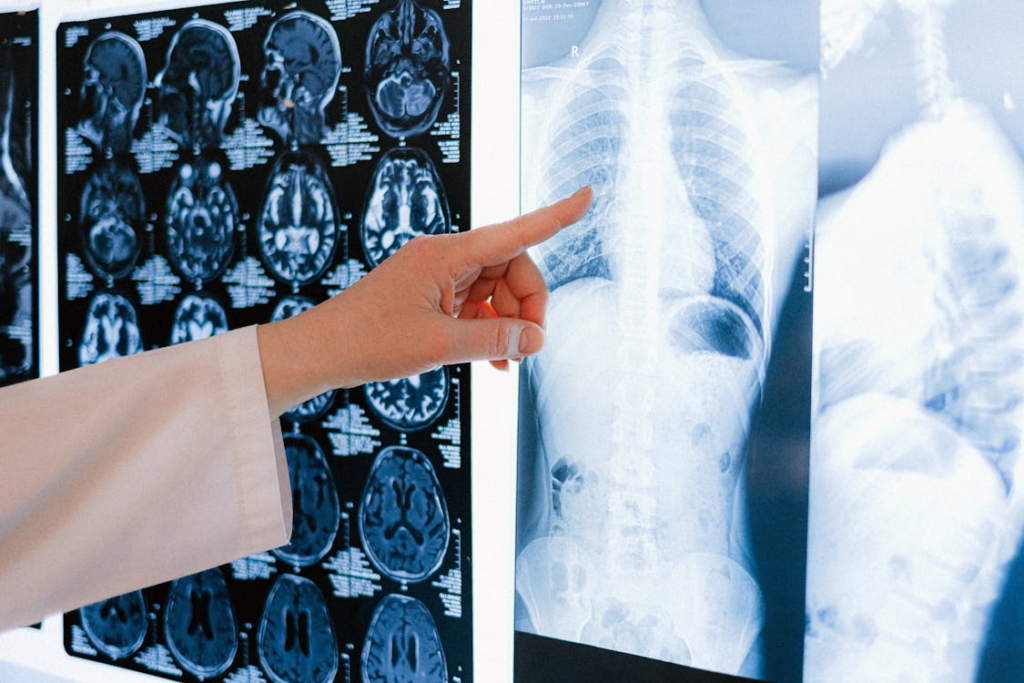
Maintaining your health is a lifelong process. As you get older, your body changes, and your health needs change with it. The Health Survey for England provides useful insights into health trends across different age groups, including long-term conditions and risk factors. Many people only visit a doctor when they feel unwell. However, having tests before symptoms become serious can help spot possible problems earlier.
The focus of medicine has moved towards monitoring the body over time. Doctors may look at your internal health every few years, especially if you have symptoms, a family history of illness, or a known risk factor. This can help them give advice that suits your body and your stage of life.
Looking after yourself now can support your future health. It can help you stay active as you age and may reduce the risk of needing more complex care later.
Your 30s: Building a Starting Point
The thirties are usually a busy time. Many people are focused on work, family, finances, and daily responsibilities. Most people still feel strong and healthy during these years. Even so, this can be a good time to understand what is normal for your body.
Knowing how your body works now makes it easier to spot changes later. It gives you a record to look back on as you get older. This can make your medical history clearer and more useful for future care.
Mole Tracking
Your skin is your largest organ. Checking it is important, especially if you have many moles, fair skin, a family history of skin cancer, or a history of high sun exposure. Taking photos and tracking skin changes can help you notice anything unusual early.
Family Planning Scans
Some people choose scans to assess reproductive health before trying for a baby. These tests may look for issues that could affect fertility or help explain symptoms such as pelvic pain or irregular bleeding.
Simple Blood Tests
Blood tests can check factors such as blood sugar, cholesterol, vitamin levels, and organ function. Starting early can help you watch your health trends over many years.
Abdominal Ultrasound
An abdominal ultrasound can look at internal organs such as the liver, kidneys, gallbladder, and pancreas. It may help check for stones, swelling, cysts, or other concerns.
At this age, the goal is to understand your baseline. The details from these checks can guide future decisions and give doctors useful information if symptoms appear later.
Your 40s: Watching for Changes
The body often starts to change in small ways during the forties. Energy may shift. Managing weight may become harder over time. It can also be helpful to keep a closer eye on blood pressure, blood sugar, and cholesterol.
This is often the stage when people begin to take health checks more seriously. Regular health checks can help detect early changes before they begin to affect daily routines.
Heart Health Checks
Blood pressure checks are a standard part of heart health monitoring. Some people may also consider scans or tests that assess blood flow, heart structure, or calcium buildup in the arteries.
The NHS cholesterol test guidance explains how cholesterol can be checked through a blood test. This can be useful because high cholesterol often has no clear symptoms but can raise the risk of heart disease and stroke.
Breast Scans
Women may start paying closer attention to breast health during this decade, especially if there is an inherited breast cancer risk or other contributing factors. Some may be advised to have screening earlier, while others may seek private imaging for peace of mind.
Body MRI
Some people choose a full-body MRI to check several areas at once. This may include major organs, the spine, joints, or soft tissues. It can give a broad view of internal health, although it should always be used alongside medical advice.
Neck Scans
Located in the neck, the thyroid helps manage how the body uses energy. A scan may be used to check lumps, swelling, or changes in the thyroid area. Thyroid concerns can become more common with age, especially in women.
During your forties, the aim is to watch for early signs of change. Small changes to diet, movement, sleep, or medical care may be enough to reduce future risk.
Regular Health Monitoring
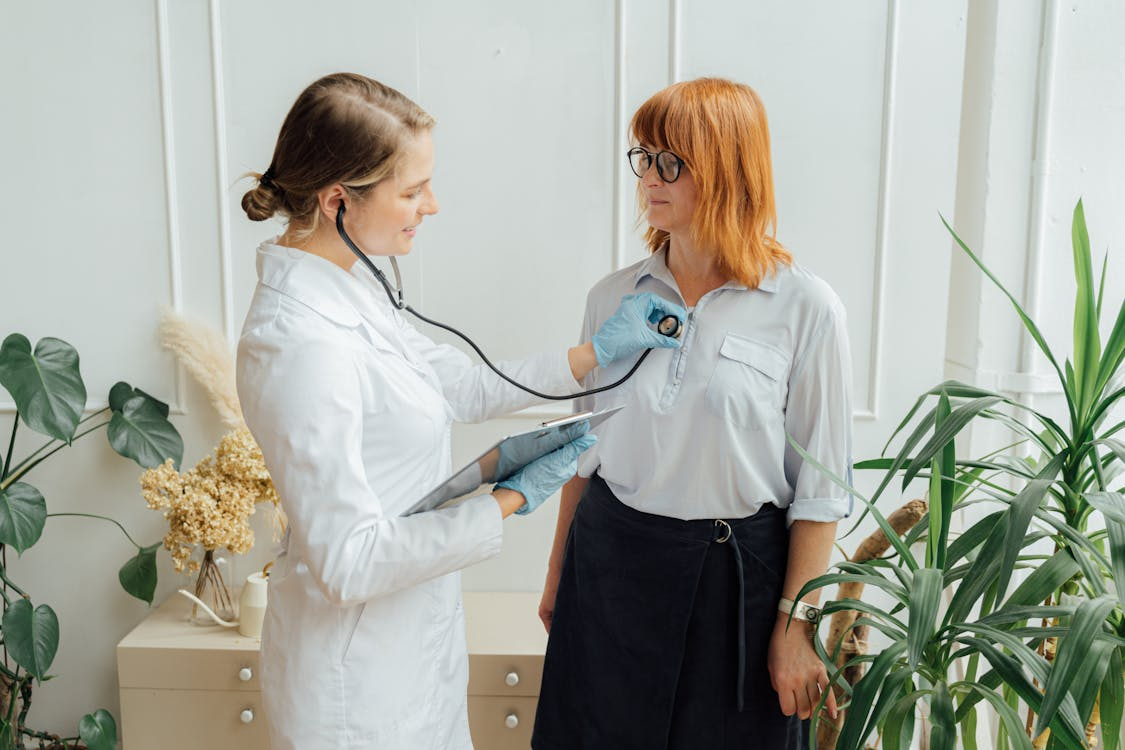
Beyond private scans, public health services remain an important safety net. These services support routine care and help identify common health risks.
Public checks are useful for general monitoring. However, they are for the general population. Some people choose private scans or blood tests to gain more detail about a specific concern or to reduce waiting time.
This does not mean one route is better than the other. Many people use both. Public services may support long-term care, while private checks may help provide faster answers for a specific concern.
Your 50s: Focused Tests
By the time you are in your fifties, the risk of some health problems increases. This is when regular medical checks can become even more important. Tests may focus on body areas that are more likely to be affected by age, hormones, family history, or lifestyle.
Bone Scans
Bone density can become an age concern, especially for women after menopause. A bone scan can detect whether bones are thinning or weakening. This can help assess fracture risk.
Bowel Checks
Many people are encouraged to take bowel screening seriously from midlife onwards. These checks can help find early signs of bowel problems, including small growths that may be easier to treat when found early.
Men’s Health Checks
For men, health checks may include blood tests and, in some cases, prostate assessment. These checks may help identify changes that need further review.
Lung Health
People who smoke, have smoked, or have been exposed to poor air quality may need to pay closer attention to their lung health. A scan may help assess the lungs if symptoms or risk factors are present.
Blood Flow Checks
Doctors may check blood vessels in areas such as the neck, legs, or abdomen. These checks can help assess whether blood is flowing properly and whether there are signs of narrowing or blockage.
The fifties are often a time for more focused testing. The aim is to spot concerns early and support better care decisions.
The Value of Good Scans
The quality of a health check depends on the tools used and the skill of the people reading the results. Simple checks are a good start, but they cannot always show what is happening deep inside the body.
High-quality scans can give doctors clearer information. This may help reduce doubt and guide the next step in care. A scan may confirm a concern, rule one out, or show that further tests are needed.
Choosing a provider with modern equipment and clear reporting is important. For example, Vista Health offers a range of diagnostic services for people who want faster access to scans and health checks. This can be useful for those who want more control over their health planning.
Getting Ready for a Scan
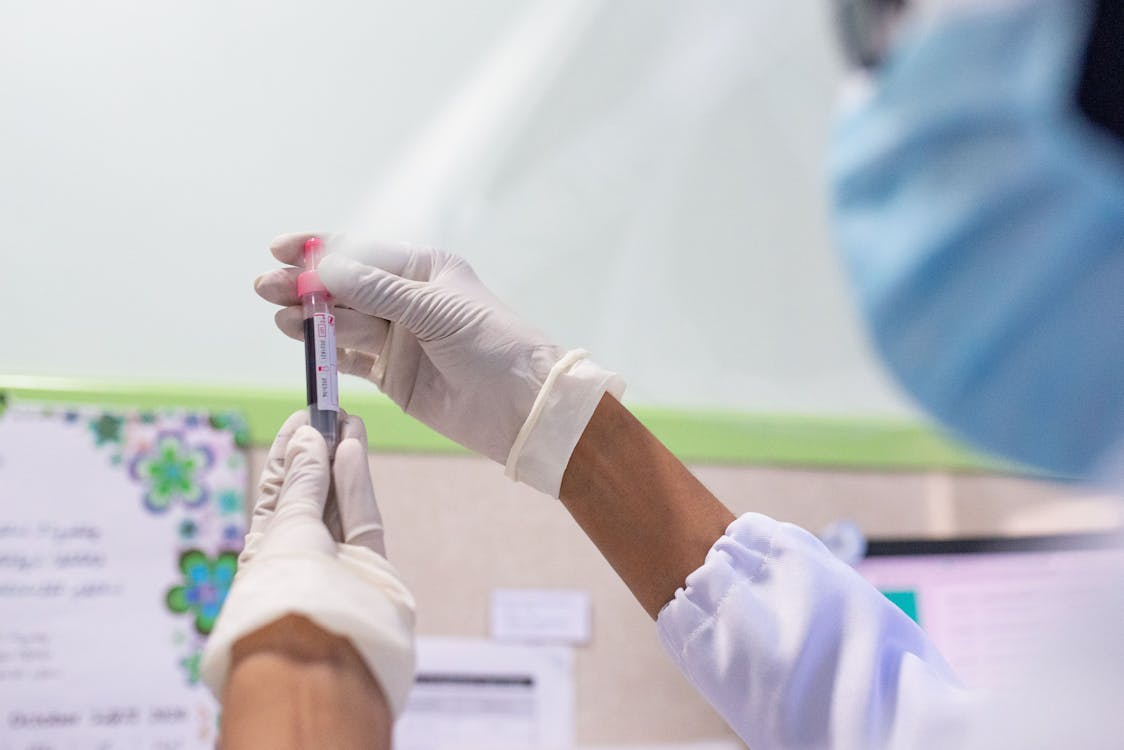
Having a preventive health scan is usually straightforward. Many tests do not hurt and do not take long. In many cases, you can return to your normal day afterwards.
Share Your Health History
Tell the clinic about your symptoms, family history, past diagnoses, current medications, and any prior scans. This helps the medical team understand what to look for.
Stay Calm During the Appointment
Modern clinics aim to help patients feel comfortable. Staff may explain each step, give ear protection for noisy scans, and tell you how to stay still so the images are clear.
Ask About Results
Before having the scan, confirm how the report will be sent and when you are likely to receive it. Private providers may return results promptly, but the timeframe can vary by scan type and reporting method. Once you receive the report, you can discuss it with your GP or specialist.
Taking Charge of Your Future
Staying healthy is not about looking for bad news. It is about getting the facts you need to make informed choices. The right tests at the right time can help you stay ahead of possible concerns.
Regular checks can also help you better understand your own body. This is useful whether you use public health services, private scans, or both. Your health needs in your thirties may differ from those in your forties or fifties.
Preventive checks work best when your personal risk factors guide them. Age, family history, lifestyle, symptoms, and past health issues all matter. A sensible health plan should grow and change with you.
Final Thoughts
Preventive health checks can help you understand your body at different stages of adult life. In your thirties, they may help build a baseline. In your forties, they may help track changes. In your fifties, they may support more focused screening and monitoring.
Scans and blood tests should not replace medical advice, but they can provide useful information when used properly. The goal is to find the right information at the right time so that you can make clear choices about your health.
Taking a steady, informed approach to health checks can support long-term wellbeing and help you feel more confident about the years ahead.
About The Author