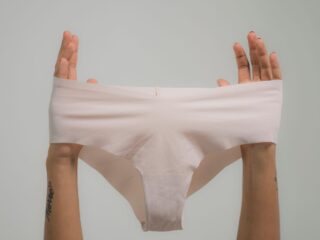

Your underwear drawer probably isn't the first place you'd look when thinking about vaginal health. However, the fabric sitting against your skin for hours every day can affect comfort, moisture, and irritation around the vulva. From breathable cotton briefs to silky synthetic thongs, different options can create very different environments below the belt.
Fortunately, you don't have to replace your entire underwear collection. Understanding how fabric, fit, and daily habits interact can help you make comfortable choices while still leaving plenty of room for personal style.
Vaginal Health Starts With the Bigger Picture
Before blaming your favorite lace underwear for every uncomfortable moment, remember that many factors influence intimate health. The vagina is naturally self-cleaning, so elaborate cleansing routines, scented washes, and fragranced products generally aren't necessary and may cause irritation.
Instead, think about your overall routine. Eating a balanced diet, staying hydrated, practicing appropriate hygiene, and following your healthcare provider's recommendations can all support general wellness. Some people also incorporate women's vitamins into their routines to help fill gaps and address symptoms when appropriate.
Cotton Is the Classic Choice for a Reason
There's a reason cotton underwear has maintained its reputation as an everyday staple. Cotton is breathable and absorbent, helping manage moisture while allowing airflow.
That doesn't mean every pair needs to be 100% cotton. Many underwear styles made from lace, microfiber, or synthetic materials include a cotton gusset, the fabric panel that sits directly against the vulva. This can offer some of cotton's practical benefits without sacrificing your preferred style.
Moisture-Wicking Fabrics Can Be Helpful
Heading to the gym? Performance fabrics can make sense. Moisture-wicking underwear is designed to pull sweat away from the skin, potentially making workouts more comfortable.
However, “moisture-wicking” doesn't mean “wear these sweaty clothes until bedtime.” Changing out of damp underwear, leggings, or shorts after exercising helps prevent prolonged exposure to moisture and friction.
When Synthetic Fabrics May Cause Trouble
Polyester, nylon, and similar synthetic fabrics aren't automatically unhealthy. Plenty of people wear them comfortably. The problem is breathability.
Some synthetic materials can retain heat and moisture more than breathable alternatives, potentially contributing to irritation in sensitive people. If you regularly notice itching, chafing, or discomfort after wearing a particular pair, try cotton or another breathable option to see whether comfort improves.
Fit Matters Just as Much as Fabric
The softest cotton in the world won't feel particularly comfortable if your underwear is squeezing, rubbing, or constantly riding up. A too-tight fit can create friction and trap sweat against the skin, potentially leading to chafing and irritation around the vulva.
Pay attention to how your underwear feels throughout the day. Deep waistband marks, rubbing, redness, or the constant urge to adjust your underwear may mean it's time to try a different size or cut. Ideally, underwear should stay comfortably in place without feeling restrictive.
What About Thongs, Lace, and Shapewear?
You don't necessarily have to banish the fun underwear to the back of the drawer. Thongs, lace underwear, and shapewear aren't inherently unhealthy, especially if you can wear them comfortably without irritation.
However, certain designs can create more friction than a roomy pair of cotton briefs. Lace may also feel irritating against sensitive skin, while tight shapewear can trap heat and moisture.
Consider the occasion and how your body responds. A lace thong might be perfectly comfortable for dinner, but less appealing during an eight-hour summer sightseeing adventure.
Your Workout Underwear Deserves Special Attention
Exercise presents a slightly different challenge because sweat, heat, and friction tend to arrive as a package deal. Breathable or moisture-wicking underwear can help you stay more comfortable while running, lifting weights, cycling, or taking a fitness class.
What happens afterward matters, too. Rather than spending the afternoon in damp workout clothes, change into clean, dry underwear when possible. The same idea applies after swimming: That wet swimsuit probably shouldn't become your all-day outfit.
Laundry Habits Can Make a Difference, Too
Even the perfect underwear needs proper care. Wash underwear regularly according to its care instructions, and make sure it's fully dry before wearing it again.
If your skin is particularly sensitive, consider whether your laundry products could be contributing to irritation. Strong fragrances, fabric softeners, or certain detergents may bother some people. Switching to a fragrance-free option can be a simple experiment if irritation keeps appearing.
Choose Comfort Over Complication
Ultimately, choosing underwear for vaginal and vulvar health doesn't require memorizing dozens of rules. Start with breathable fabrics, a comfortable fit, clean underwear, and a habit of changing after sweaty activities.
Most importantly, listen to your body. If one fabric or style consistently leaves you uncomfortable, choose something else. And if itching, unusual discharge, persistent odor, pain, or irritation continues regardless of what you're wearing, talk with a healthcare professional rather than expecting a new pack of cotton briefs to solve the problem.
About The Author