 Marsha Stevenson
Key Takeaways
- Orthodontic issues extend beyond appearance, impacting physical health, mental well-being, and even social interactions.
- Misaligned teeth can lead to serious dental problems like tooth decay, gum disease, and TMJ disorders due to cleaning difficulties and improper bite.
- The psychological cost of a crooked smile can include low self-esteem, social anxiety, and a reluctance to express oneself freely.
- Modern orthodontic treatments offer solutions for all ages, addressing both health and cosmetic concerns effectively and discreetly.
Many people think of a crooked smile as a simple cosmetic issue. They might feel a bit self-conscious about it but assume it doesn’t affect their overall health. However, the true impact of misaligned teeth goes far deeper than what you see in the mirror.
The “cost” of a crooked smile isn’t just about the price of braces; it involves physical health complications, psychological distress, and social challenges. Understanding these hidden costs reveals why orthodontic health is a crucial part of your overall well-being.
The Physical Toll of Misaligned Teeth
When teeth are not properly aligned, it creates a chain reaction of dental problems that can worsen over time. These issues are often more serious than people realize.
Increased Risk of Tooth Decay and Gum Disease
Crowded or overlapping teeth are much harder to clean effectively. Toothbrush bristles and floss can’t reach all the surfaces, leaving plaque and bacteria to build up in tight spaces.
This accumulation significantly raises the risk of cavities. More seriously, it can lead to gingivitis, the first stage of gum disease, which causes red, swollen gums. If left untreated, it can advance to periodontitis, a severe infection that damages soft tissue and can destroy the bone that supports your teeth.
Chewing Difficulties and Digestive Issues
A proper bite is essential for chewing food correctly. When your teeth don’t meet as they should, you may not be able to break down food efficiently.
This can lead to swallowing larger pieces of food, forcing your digestive system to work harder. Over time, this can contribute to digestive discomfort and related issues. It can also cause you to avoid certain healthy foods, like raw vegetables, that are harder to chew.
Uneven Wear and Tear
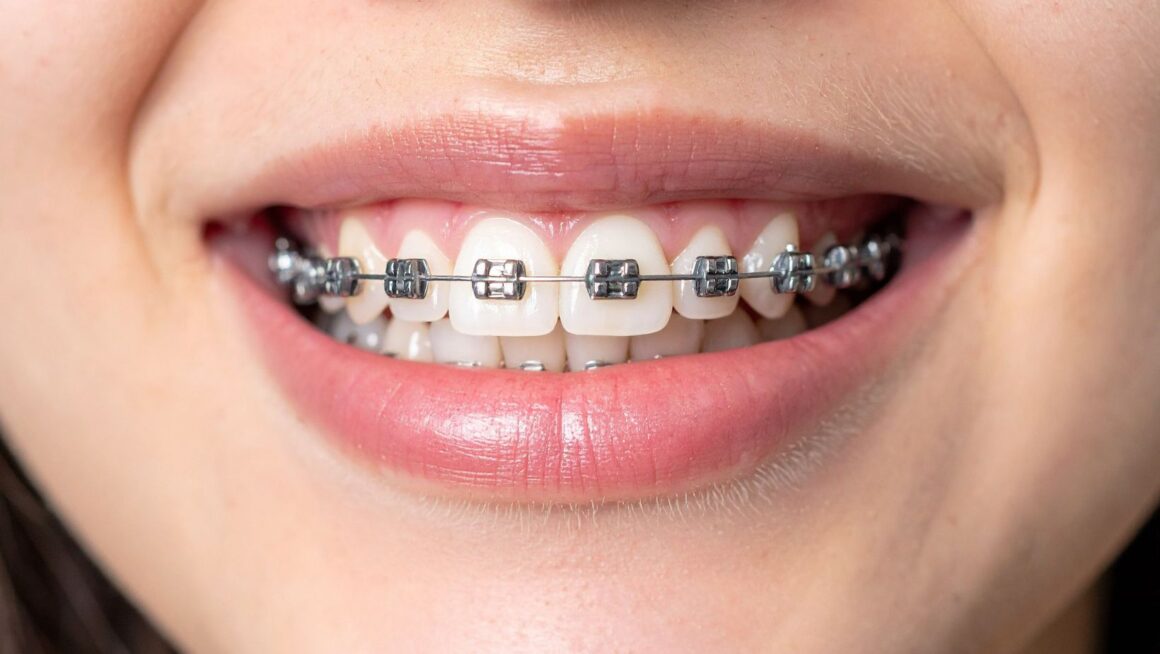
An improper bite, known as malocclusion, distributes chewing forces unevenly across your teeth. Some teeth end up taking on more pressure than they are designed to handle.
This excessive force can cause teeth to wear down prematurely, chip, or even crack. It puts a strain on your entire dental structure, which can lead to costly restorative work like crowns or implants down the road.
Jaw Pain and Headaches
Malocclusion is a leading cause of Temporomandibular Joint (TMJ) disorders. The TMJ is the complex joint that connects your jaw to your skull, and it comes under immense strain when your bite is off.
This can result in chronic jaw pain, clicking or popping sounds when you move your mouth, and even lockjaw. The tension can also radiate, causing frequent headaches, neck pain, and earaches that disrupt daily life. Consulting a professional like My Smile Orthodontist can help determine if malocclusion is the source of such pain.
The Psychological and Social Impact
The emotional cost of being unhappy with your smile is just as significant as the physical one. It can shape your personality, limit your interactions, and affect your mental health.
Lowered Self-Esteem
Your smile is one of the first things people notice about you. Feeling self-conscious about crooked teeth can erode your confidence over time.
This lack of confidence can manifest in many ways. You might avoid smiling in photos, cover your mouth when you laugh, or feel hesitant to speak up in social or professional settings. This constant self-monitoring is exhausting and can prevent you from being your authentic self.
Social Anxiety and Avoidance
For some, dissatisfaction with their smile can lead to social anxiety. The fear of being judged for their teeth may cause them to withdraw from social situations.
They might turn down invitations, avoid dating, or shy away from public speaking opportunities. This avoidance can limit personal relationships and hinder career advancement, creating a cycle of isolation.
The Impact on Professional Life
Confidence plays a huge role in the professional world. A person who is hesitant to smile or speak may be perceived as unapproachable, unhappy, or lacking in leadership qualities.
While it is unfair, appearances can influence first impressions during job interviews and client meetings. Feeling confident in your smile allows you to communicate more openly and effectively, which is an invaluable asset in any career.
Taking the First Step Toward a Healthier Smile
The good news is that the physical and psychological costs of a crooked smile are not permanent. Modern orthodontics offers a range of solutions that can correct alignment issues for people of any age.
From traditional braces to more discreet options like clear aligners, treatments are more comfortable and efficient than ever. Addressing orthodontic issues is an investment in your long-term health, confidence, and quality of life. A consultation with an orthodontic specialist is the first step toward understanding your options and leaving the hidden costs of a crooked smile behind for good.
Frequently Asked Questions (FAQ)
Is it too late for me to get braces as an adult?
Not at all. Adult orthodontics is very common and highly effective. Many discreet treatment options are available today, like clear aligners and ceramic braces, which are designed to fit into an adult lifestyle.
Will straightening my teeth really help my jaw pain?
In many cases, yes. If your jaw pain is caused by a misaligned bite (malocclusion), correcting the alignment can relieve the unnatural stress on your jaw joints and muscles, significantly reducing or eliminating pain and headaches.
How do I know if my child needs to see an orthodontist?
The American Association of Orthodontists recommends a child’s first orthodontic screening by age 7. An orthodontist can spot subtle issues with jaw growth and emerging teeth while some baby teeth are still present, potentially preventing more serious problems later.
Are orthodontic treatments purely for cosmetic purposes?
No. While a straight smile is cosmetically pleasing, the primary goal of orthodontic treatment is to create a healthy, functional bite. This improves your ability to clean your teeth, chew properly, and reduces the risk of long-term dental health problems.
Meta Information
Meta Title: The Hidden Costs of a Crooked Smile: Health & Confidence
Meta Description: Discover how misaligned teeth affect more than just your appearance. Learn about the physical and psychological costs of a crooked smile and why orthodontics is key.
About The Author