 Marsha Stevenson
Many people think that getting braces or aligners is just about looks. A straight smile is definitely a confidence booster, but the advantages go much deeper than what you see in the mirror.
Properly aligned teeth can have a significant positive impact on your overall health and well-being. From better digestion to fewer headaches, the benefits are worth considering.
This post will explore the surprising health advantages of straight teeth. We’ll cover everything from improved oral hygiene to long-term structural benefits.
Meta Title: Health Benefits of Straight Teeth: More Than a Pretty Smile
Meta Description: Discover the surprising health benefits of straight teeth. Learn how orthodontics can improve digestion, reduce headaches, and boost your overall well-being.
Key Takeaways
- Improved Oral Health: Straight teeth are easier to clean, reducing the risk of cavities, gum disease, and bad breath.
- Better Digestion: Proper alignment helps you chew food more effectively, which is the first step in healthy digestion.
- Reduced Jaw Pain and Headaches: Correcting bite issues can alleviate strain on the jaw joint (TMJ), which often causes chronic headaches and neck pain.
- Long-Term Durability: Aligned teeth experience less abnormal wear and tear, helping to prevent chips, cracks, and other damage over time.
The Foundation of Oral Health: Easier Cleaning
One of the most immediate benefits of having straight teeth is how much easier they are to keep clean. When teeth are crowded, crooked, or overlapping, it creates tight spaces and awkward angles that are difficult for a toothbrush and floss to reach.
These hard-to-reach spots become breeding grounds for plaque and harmful bacteria. Over time, this buildup can lead to cavities, gingivitis (the early stage of gum disease), and persistent bad breath.
When your teeth are properly aligned, brushing and flossing become much more effective. You can remove food particles and plaque more easily, significantly lowering your risk for tooth decay and gum inflammation. This simple advantage sets the stage for a lifetime of better oral health.
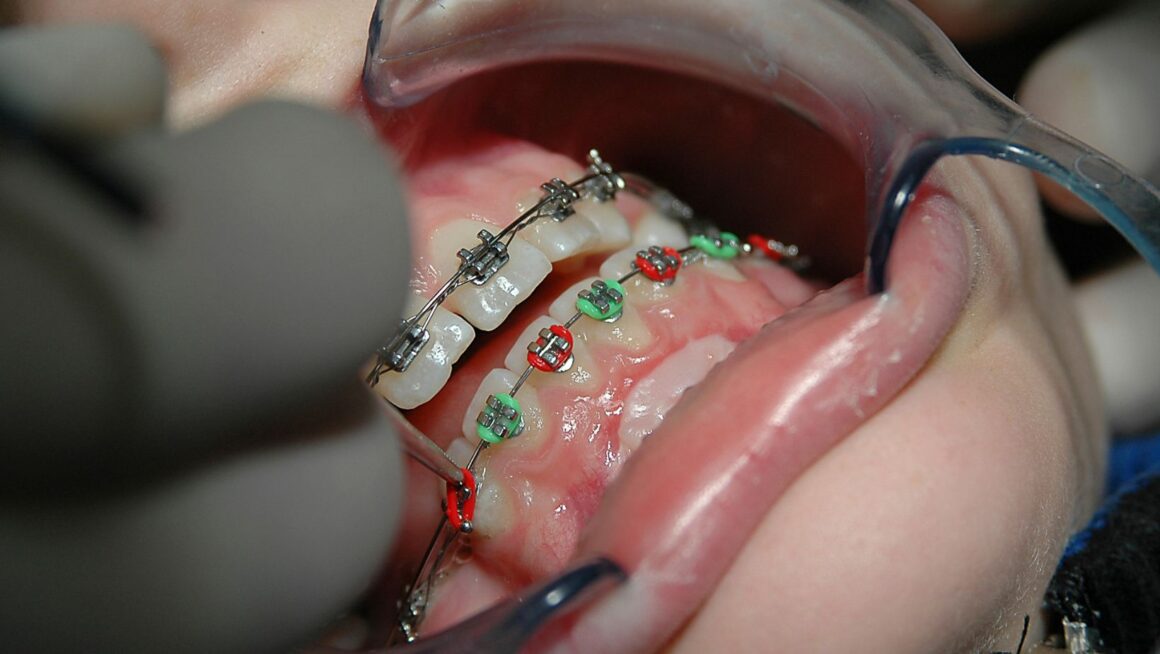
Chewing and Digestion: The First Step to Good Nutrition
Digestion doesn’t start in your stomach; it begins the moment you take a bite of food. Your teeth are designed to tear and grind food into smaller, more manageable pieces for your stomach to process.
When teeth are misaligned, this process can be inefficient. An improper bite may prevent you from chewing your food thoroughly, forcing your digestive system to work harder to break it down.
This can lead to digestive issues and may even prevent your body from absorbing all the available nutrients from your food. Straight teeth allow for an optimal bite, ensuring you can chew properly and kickstart the digestive process correctly.
Alleviating Headaches, Neck Pain, and Jaw Strain
Do you suffer from frequent headaches, jaw clicking, or unexplained neck and shoulder pain? The source might be your bite. Misaligned teeth can cause an imbalance in the way your top and bottom jaws meet.
This misalignment puts excess stress on the temporomandibular joint (TMJ), the complex hinge that connects your jaw to your skull. This strain can lead to a condition known as TMJ disorder, which often manifests as chronic headaches, facial pain, and even earaches.
Orthodontic treatment can correct bite problems like overbites, underbites, and crossbites. By guiding your jaw into its proper position, it alleviates the pressure on the TMJ. Many patients find that their chronic pain subsides as their teeth move into alignment.
Protecting Your Teeth from Long-Term Damage
Teeth are incredibly strong, but they aren’t indestructible. When your bite is misaligned, certain teeth can take on more pressure than they were designed to handle.
This uneven force distribution leads to abnormal wear and tear. Over the years, this can result in chipped or cracked teeth, flattened chewing surfaces, and damage to the enamel. In severe cases, it can even cause notches to form at the gumline, a condition called abfraction.
By straightening your teeth, you ensure that biting and chewing forces are distributed evenly across your smile. This protects your teeth from premature wear, helping them stay strong and healthy for decades to come. Local practices like Pendleton Orthodontics specialize in creating personalized plans that address these specific alignment issues to prevent future problems.
Boosting Confidence and Mental Well-being
While we’ve focused on physical health, the psychological benefits of a straight smile are undeniable. Feeling self-conscious about your teeth can affect how you interact with others.
Many people with crooked teeth avoid smiling or even cover their mouths when they talk or laugh. This can take a toll on self-esteem and impact both personal and professional relationships.
Investing in your smile is an investment in yourself. The confidence that comes from being able to smile freely can have a ripple effect, improving your mood, reducing social anxiety, and enhancing your overall quality of life.
Conclusion: A Healthier Future Starts with Your Smile
Correcting misaligned teeth offers benefits that extend far beyond aesthetics. From preventing cavities and gum disease to improving digestion and reducing chronic pain, a straight smile is a key component of your overall health.
If you’re dealing with crooked teeth or an improper bite, consider how orthodontic treatment could improve your well-being. The long-term advantages make it a worthwhile investment in your health and happiness.
Frequently Asked Questions (FAQ)
Q: Am I too old for orthodontic treatment?
A: Absolutely not. While treatment is common in teens, more adults than ever are seeking orthodontic care. The biological process of moving teeth is the same at any age, and there are many discreet options available today, such as clear aligners and ceramic braces.
Q: Does orthodontic treatment hurt?
A: It’s normal to feel some mild discomfort or pressure for a few days after getting braces adjusted or switching to a new aligner tray. However, this feeling is temporary and easily managed with over-the-counter pain relievers. Modern orthodontics are designed to be as comfortable as possible.
Q: How long does orthodontic treatment take?
A: Treatment time varies widely depending on the individual’s needs. Simple cases might be completed in under a year, while more complex issues could take two years or more. Your orthodontist will give you a personalized estimate during your initial consultation.
Q: Will I have to change my diet with braces?
A: If you have traditional braces, you will need to avoid very hard, sticky, or chewy foods that could damage the brackets and wires. With removable clear aligners, you have no dietary restrictions, as you simply take them out before eating and drinking.
About The Author