
The Benefits of Early Orthodontic Treatment for Kids: Why Starting Young Matters
 Qyntharion Vorkal
Key Takeaways
- The “Age 7” Rule: The American Association of Orthodontists recommends children have their first orthodontic check-up by age seven.
- Proactive vs. Reactive: Early treatment can guide jaw growth and correct bite problems before they become severe.
- Self-Esteem Boost: Correcting alignment issues early can significantly improve a child’s confidence during critical social years.
- Cost Efficiency: Addressing problems in Phase 1 can often reduce the complexity and cost of future treatments.
Parents often wonder when the right time is to start thinking about braces for their children. While the teenage years are the traditional time for metal brackets and wires, waiting until all permanent teeth have erupted isn’t always the best strategy.
In fact, proactive dental monitoring can save families time, money, and discomfort down the road. Understanding the importance of early intervention can change the trajectory of a child’s oral health.
Why Age Seven is the Magic Number
Many parents are surprised to learn that experts recommend an initial orthodontic evaluation by age seven. At this stage, a child typically has a mix of baby and permanent teeth.
This specific developmental window allows orthodontists to see how the jaw is growing. They can identify crowding, deep bites, or open bites that might not be obvious to the untrained eye. Catching these issues early allows for “interceptive” treatment.
This doesn’t necessarily mean a seven-year-old will get full braces immediately. Instead, it might involve simpler appliances to hold space for permanent teeth or expand the palate. It is about guiding growth rather than just fixing crooked teeth.
Guiding Jaw Growth and Correcting Habits
One of the primary advantages of early treatment is the ability to influence jaw development. Children’s bones are still soft and pliable, making them much easier to manipulate than adult bones.
If a child has a crossbite or a narrow palate, an expander can gently widen the upper jaw. This creates necessary room for permanent teeth to erupt without severe crowding.
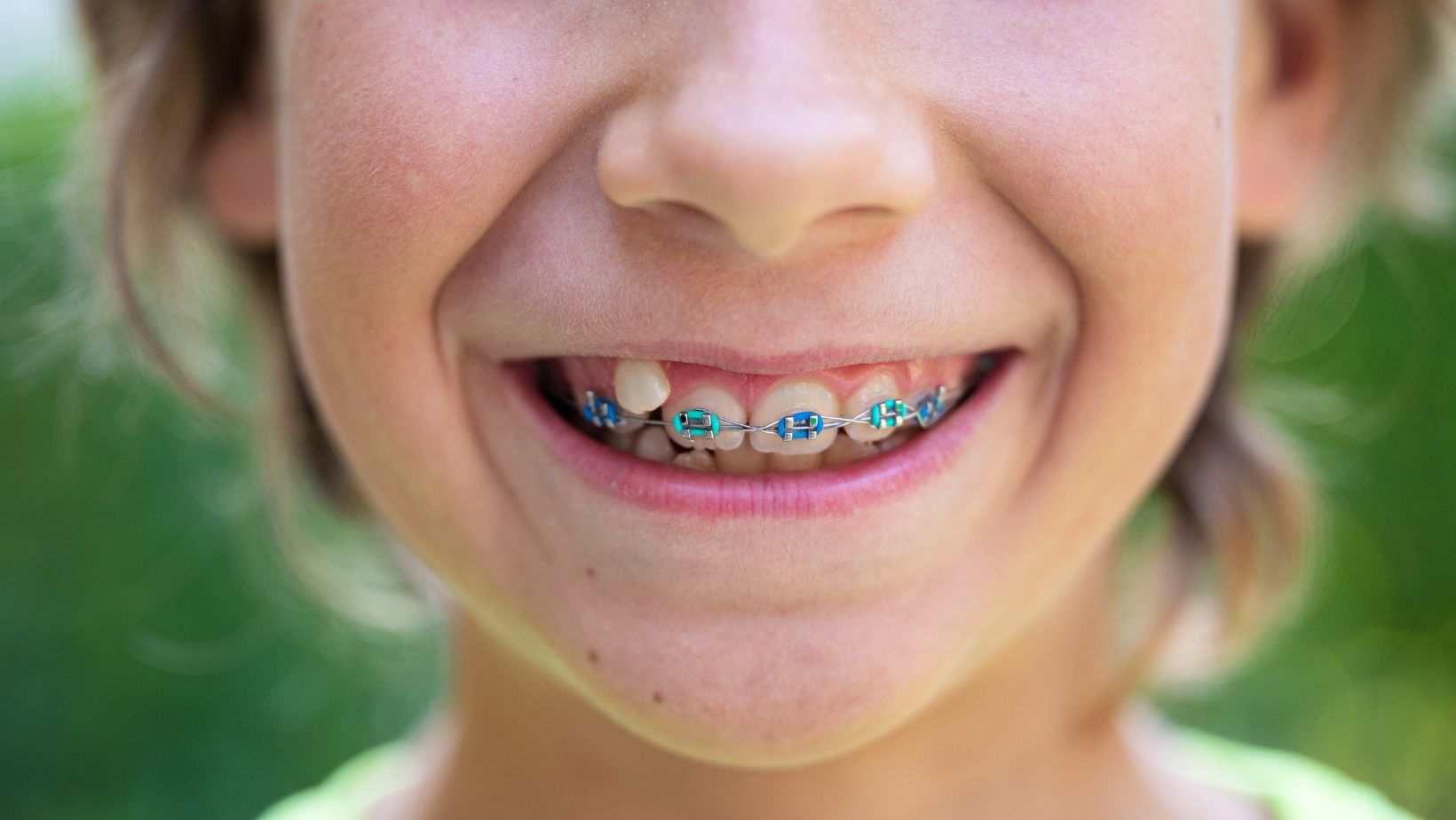
Early intervention is also crucial for correcting harmful oral habits. Prolonged thumb sucking, tongue thrusting, or mouth breathing can severely alter the shape of the jaw and the position of the teeth.
Addressing these habits early prevents permanent structural damage. It stops the problem at the source rather than trying to fix the consequences years later.
The Psychological Impact of a Healthy Smile
We cannot ignore the social aspect of a child’s development. Elementary and middle school can be tough environments for children who feel insecure about their appearance.
Severe protrusion of the front teeth, for example, can make a child more susceptible to accidental trauma during play. It can also make them a target for teasing.
Correcting visible alignment issues early can provide a massive boost to a child’s self-esteem. When children feel good about their smiles, they are often more outgoing and confident in social situations.
Avoiding Invasive Procedures Later
Perhaps the most practical reason for early treatment is the prevention of invasive procedures in the future. Severe crowding that is left untreated often requires the extraction of permanent teeth to create space for braces later on.
Furthermore, significant jaw misalignments that are ignored during childhood may eventually require orthognathic surgery in adulthood. By using appliances to guide jaw growth early, the need for these drastic measures is often eliminated.
Consulting with a specialist like A Winning Smile Orthodontics can help parents determine if immediate action is needed or if the child can simply be monitored. This “wait and watch” approach ensures treatment only happens when it is most effective.
Does Early Treatment Replace Teen Braces?
It is important to manage expectations regarding early intervention. This first phase of treatment, often called Phase 1, does not always guarantee that a child won’t need braces later.
However, it does make Phase 2 (usually braces or aligners in the teen years) much easier. Because the heavy lifting regarding jaw alignment and spacing was done early, the second phase is typically shorter and less complex.
Think of it as laying a solid foundation for a house. If the foundation is level and strong, building the rest of the structure is straightforward. If the foundation is off, the entire building process becomes complicated and expensive.
Signs Your Child Might Need an Evaluation
You don’t need to be a dentist to spot some potential warning signs. Keep an eye out for early or late loss of baby teeth, which can disrupt the eruption schedule of permanent teeth.
Difficulty chewing or biting into food is another red flag. If you notice your child shifting their jaw when they close their mouth, they may have a bite alignment issue.
Mouth breathing and loud snoring can also indicate airway issues related to jaw structure. Finally, if teeth look visibly crowded or misplaced, it is time to schedule an appointment.
Conclusion
Orthodontic health is about more than just a pretty smile; it is about proper function and long-term oral stability. By prioritizing an evaluation around age seven, parents can ensure their children are on the path to optimal dental health.
Whether it involves immediate intervention or simple monitoring, the peace of mind is worth the visit. Taking action now can prevent years of complications, ensuring a healthier, happier future for your child.
Frequently Asked Questions (FAQ)
Q: Will my child definitely need braces if they see an orthodontist at age seven?
A: Not necessarily. The goal of the first visit is observation. The orthodontist may simply recommend monitoring the child’s growth and checking in every 6-12 months.
Q: Is early treatment more expensive than waiting?
A: While it involves two phases, early treatment often prevents the need for complex surgeries or extractions later, which can be very costly. It can make the overall treatment journey more efficient.
Q: Can general dentists perform orthodontic screenings?
A: Yes, general dentists often spot issues during regular cleanings. However, an orthodontic specialist has specific training in jaw growth and alignment to provide a comprehensive evaluation.
Q: What happens if we wait until all baby teeth fall out?
A: Waiting is fine for some children, but for those with jaw discrepancies, waiting until puberty ends means the jaw bones have hardened. This limits the ability to correct structural issues without surgery.
About The Author