
 Marsha Stevenson
Every parent knows the feeling—that mix of hope and anxiety when you realize it’s time for your child’s firsts. First steps, first words, first day of school. The first dental visit is another big milestone, but it often comes with a unique set of worries. Will they be scared? Will it hurt? How do I make sure they don’t hate the dentist forever?
The key to answering these questions positively lies in finding the right partner for your child’s oral health. A pediatric dentist isn’t just a dentist who treats smaller teeth; they are specialists trained to manage the physical and emotional needs of children.
Choosing the right provider sets the stage for a lifetime of healthy habits and confident smiles. This guide will walk you through exactly what to look for, ensuring your little one’s dental journey starts on the right foot.
Key Takeaways
- Specialization Matters: Pediatric dentists undergo additional training specifically to treat children’s developing teeth and manage their unique behavioral needs.
- Atmosphere is Key: A kid-friendly environment reduces anxiety and helps children associate the dentist with positive experiences.
- Preventative Focus: Look for a practice that emphasizes education and prevention, not just fixing problems as they arise.
- Comfort Options: Sedation dentistry and behavioral management techniques are crucial for children with anxiety or special needs.
- Logistics Count: Location, hours, and insurance compatibility are practical factors that ensure you can stick to a regular schedule.
What is a Pediatric Dentist?
You might wonder, “Can’t I just take my child to my own dentist?” While general dentists are qualified to treat patients of all ages, a pediatric dentist is the specialist equivalent of a pediatrician.
After completing general dental school, pediatric dentists complete an additional two to three years of residency training. This specialized training focuses on child psychology, growth and development, and the specific dental issues that affect infants, children, adolescents, and those with special health care needs.
They are experts in:
- Behavior guidance: Knowing how to talk to a 3-year-old versus a 13-year-old to make them feel safe.
- Primary teeth: Understanding the critical role baby teeth play in speech development and holding space for permanent teeth.
- Growth monitoring: Identifying orthodontic issues early before they become complex problems.
Key Considerations When Choosing a Pediatric Dentist
Finding a dental home for your child involves more than just a quick Google search for “dentist near me.” Here are the five critical factors you should evaluate before booking that first appointment.
1. Qualifications and Expertise
First and foremost, verify the dentist’s credentials. You want a board-certified pediatric dentist who stays updated on the latest techniques. Experience matters, too—specifically, experience with children who might be nervous or active.
For example, practices like Hawthorne Children’s Dental pride themselves on fostering positive perceptions of dental visits. Dr. Dan Klein, for instance, completed a specialized Pediatric Dentistry residency at Brookdale University Hospital and Medical Center. This level of dedicated training ensures that the dentist understands not just the clinical aspect of filling a cavity, but the emotional aspect of keeping a child calm during the process.
2. Atmosphere and Comfort
Walk into the office (or take a virtual tour online) and look around. Does it feel like a medical clinic, or does it feel like a space designed for kids?
- The Waiting Room: Are there toys, books, or kid-sized furniture? A welcoming waiting area distracts children from pre-appointment jitters.
- The Staff: Is the team friendly and patient? The receptionist and hygienists are often the first people your child interacts with. Their attitude sets the tone for the entire visit.
- Treatment Areas: Look for open-bay areas where parents can accompany their children, as well as private rooms for older kids or those who need a quieter space.
A truly great pediatric practice understands that fear is a real barrier. They should offer solutions for dental anxiety, ranging from a “tell-show-do” approach (explaining what they are doing in simple terms) to sedation dentistry options for children who need extra help relaxing.
3. Range of Services Offered
Children’s needs change rapidly as they grow. A toddler needs help with teething and cleaning, while a pre-teen might need sealants or an orthodontic evaluation.
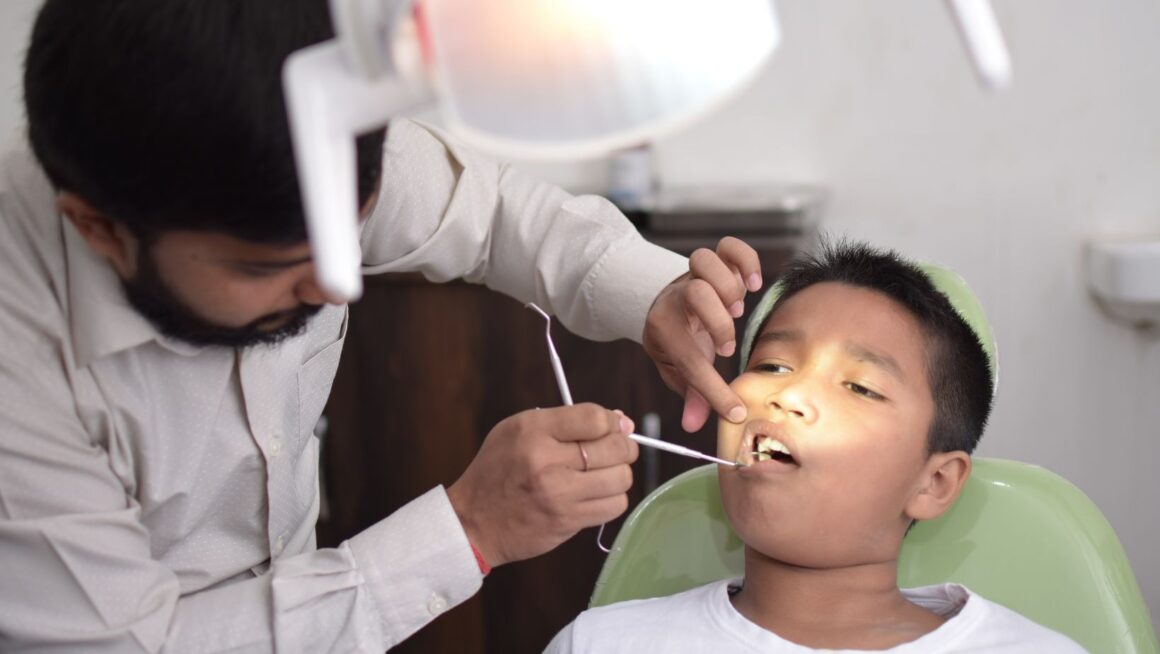
Ideally, you want a practice that offers comprehensive care under one roof. This includes:
- Preventive Care: Routine cleanings, fluoride treatments, and dental sealants to protect against cavities.
- Restorative Dentistry: Fillings, crowns, and nerve treatments designed for primary teeth.
- Orthodontic Evaluations: Monitoring jaw growth to catch bite issues early.
- Emergency Care: Knowing where to go if your child chips a tooth on the playground is vital for peace of mind.
4. Location and Accessibility
Convenience is a major factor in maintaining consistency. The American Academy of Pediatric Dentistry recommends check-ups every six months. If the dentist is an hour away, you are more likely to skip or delay these appointments when life gets busy.
Look for a practice that is centrally located near your home, your child’s school, or your workplace. Furthermore, check their hours. Do they offer early morning or late afternoon appointments that don’t conflict with school schedules? Accessibility ensures that dental health fits seamlessly into your family’s routine rather than becoming a logistical burden.
5. Insurance and Payment Options
Finally, dental care is an investment, and it’s important to understand the financial aspect upfront. Before falling in love with a specific practice, check their insurance policies.
- In-Network vs. Out-of-Network: Check if they accept your PPO plan.
- Payment Plans: Does the office offer financing options like CareCredit or in-house payment plans for uninsured costs?
- Transparency: A good office will provide a treatment plan with estimated costs before performing any procedures, so you aren’t hit with surprise bills.
Frequently Asked Questions
Q: At what age should my child first visit the dentist?
A: The general rule of thumb is “first visit by the first birthday.” Alternatively, you should schedule an appointment within six months of the eruption of their first tooth. Early visits are mostly about education and getting the child used to the environment.
Q: How do I prepare my child for their appointment?
A: Keep it positive! Avoid using words like “shot,” “pain,” or “drill.” Instead, tell them the dentist is going to count their teeth and make them sparkle. Reading books about going to the dentist or playing “dentist” at home with a stuffed animal can also help demystify the experience.
Q: What if my child has special needs?
A: Pediatric dentists receive specialized training to care for patients with special health care needs. When you call to book, be open about your child’s sensory sensitivities or medical conditions so the team can prepare accommodations to make the visit successful.
Q: How often does my child need to see the dentist?
A: Most children should visit the dentist every six months for a cleaning and exam. However, the dentist may recommend more frequent visits if your child is at high risk for tooth decay or has specific growth concerns.
Making an Informed Decision
Choosing the right pediatric dentist is one of the best proactive steps you can take for your child’s health. It’s about more than just checking for cavities; it’s about finding a medical home where your child feels safe, respected, and understood.
Take the time to read reviews, visit the office, and ask questions about their philosophy on care. When you find a team that combines clinical excellence with genuine compassion, you transform what could be a scary chore into a positive habit. Your child deserves to grow up smiling with confidence.
Meta data
Meta title
How to Choose the Right Pediatric Dentist for Your Child
Meta description
Looking for the best dental care for your child? Discover the 5 key factors to consider when choosing a pediatric dentist, from qualifications to comfort.
About The Author