 Marsha Stevenson
Do your feet start complaining halfway through the day—or halfway through a gig? Tight, stiff, high-heeled sneakers and dress shoes can leave even the toughest performers limping offstage. If you’ve been searching for zero-drop sneakers or barefoot-style footwear for foot pain, you’re already curious about a different way to move.
The growing barefoot shoe movement offers a fresh approach: lightweight, zero-drop sneakers and sandals designed for style-conscious city movers, musicians, health enthusiasts, and eco-minded minimalists who want grounded comfort without sacrificing sleek aesthetics.
Why Traditional Shoes Can Make Foot Pain Worse
Most mainstream shoes are built for looks first and your body second. Raised heels tilt your weight forward, narrow toe boxes squeeze your toes, and rigid soles block natural movement. Over time, that combination overloads your arches, tightens your calves, and throws off your balance.
Your feet weren’t designed to be elevated, compressed, or immobilized. Yet that’s exactly what conventional footwear does, day after day.
What Makes a Shoe “Low-Profile” (and Why Your Feet Care)
Low-profile, barefoot-style shoes flip that script. Instead of propping your foot up, they let it work the way it was built to. Most share three key characteristics:
- Zero-drop platform: Your heel and forefoot sit at the same level, maintaining natural alignment
- Wide toe box: Your toes can spread and grip naturally instead of being crammed together
- Flexible sole: Your foot can bend and feel the ground, activating sensory feedback
For musicians, urban commuters, and health enthusiasts, that means less strain and more control throughout your day.
How Low-Profile Design Supports Natural Foot Strength
Here’s where this design philosophy really shines: it lets your feet get stronger instead of becoming more dependent on padding and structure. A flexible sole and zero-drop base encourage your foot muscles to wake up and actually work.
As your toes spread and your arch moves naturally, your body builds:
- Better balance and proprioception
- Stronger foot and lower-leg muscles
- A more natural stride with less impact on your joints
- Improved posture from the ground up
Brands like Rutsu Barefoot Shoes have built their entire philosophy around this approach—combining functional design with modern aesthetics so you don’t have to compromise.
Style, Performance, and Grounded Comfort for Real Life
Minimalist shoes used to look like something you’d only wear on a trail. Now low-profile designs blend performance and street-ready style, so you don’t have to choose between looking sharp and feeling good.
Modern barefoot footwear includes clean, low-cut sneakers that work with jeans or stagewear, and sandals with zero-drop comfort perfect for festivals or warm-weather commutes. The focus has shifted from purely functional to genuinely fashionable—grounded comfort that lets you feel planted while moving freely.
How to Transition Safely to Low-Profile Footwear
If you’ve spent years in thick, elevated shoes, going barefoot-style overnight can feel like surprise leg day. Your feet and lower legs need time to adapt.
A smarter transition plan:
- Start with short wear times (1-2 hours), then switch back to your regular shoes
- Gradually increase duration over several weeks
- Mix in toe spreads, calf stretches, and short barefoot walks at home
- Listen to your body—mild muscle fatigue is normal; sharp pain means ease off
- Consider alternating between minimalist and traditional shoes during the adjustment period
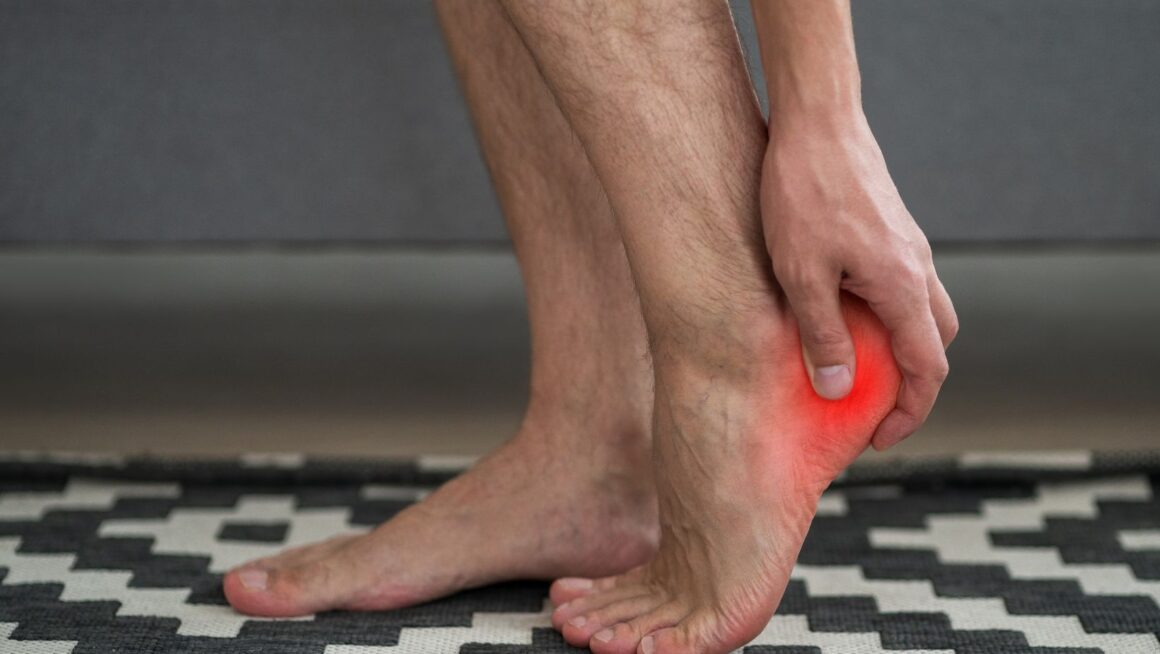
This isn’t about rushing the process. It’s about rebuilding the strength your feet may not have used in years.
Conclusion: Let Your Feet Move the Way They Were Meant To
If you’re tired of stepping offstage, off a train, or out of the office with aching feet, low-profile footwear might be the missing piece. By choosing designs with a flexible sole, zero-drop base, and wide toe box, you support natural movement without sacrificing style.
Your feet are remarkably engineered—when you let them work properly, they often reward you with better comfort, stronger muscles, and less pain. The key is finding footwear that enhances rather than restricts their natural function.
FAQs About Low-Profile and Barefoot-Style Shoes
Are low-profile shoes good for plantar fasciitis?
They can help some people by encouraging stronger foot muscles and a more natural gait, but they’re not a guaranteed fix. For serious heel or arch pain, consult a medical professional and transition gradually—rushing the process can actually worsen symptoms.
Are zero-drop shoes safe if I’m new to them?
Yes, as long as you take your time. Zero-drop footwear feels different because your calves and Achilles tendon do more work. Short wear times, gentle stretching, and patience make the transition smoother and safer.
Can I wear low-profile sneakers to the office or on stage?
Absolutely. Many minimalist designs look like sleek, modern sneakers that work with smart-casual outfits and performance clothing. You get the functional benefits without the clunky athletic shoe aesthetic.
About The Author