Why Your Protein Powder Might Be Causing Bloating (And What to Use Instead)
 Marsha Stevenson
You finish a workout feeling great. You mix up a protein shake to kickstart recovery. Thirty minutes later, your stomach is bloated, gassy, and uncomfortable.
Sound familiar? You’re not alone.
Digestive issues from protein powder are incredibly common, yet most people assume they just need to push through it. The truth is that bloating after protein shakes usually points to specific ingredients that don’t agree with your body. And there are better options available.
The Hidden Culprits Behind Protein Powder Bloating
Most protein powders contain ingredients that cause digestive distress for a significant portion of the population. Understanding what triggers these issues is the first step toward solving them.
Lactose is the primary offender. Whey protein comes from milk, and even whey isolate contains trace amounts of lactose. According to the National Institutes of Health, approximately 68% of people worldwide have reduced ability to digest lactose after infancy. Many people with mild lactose sensitivity don’t realize dairy is causing their symptoms because the effects can be subtle and delayed.
Artificial sweeteners rank second on the list. Sucralose, acesulfame potassium, and sugar alcohols like sorbitol and xylitol can ferment in the gut and produce gas. Some studies suggest these sweeteners may also disrupt gut bacteria balance over time.
Thickeners and gums round out the problem ingredients. Carrageenan, xanthan gum, and guar gum help create smooth textures but can irritate sensitive digestive systems. These additives are difficult for some people to break down properly.
Fiber additives like inulin and chicory root appear in many protein powders marketed as health foods. While fiber benefits most people, concentrated doses in supplement form can cause significant bloating and gas, especially when consumed quickly in liquid form.
Signs Your Current Protein Isn’t Working
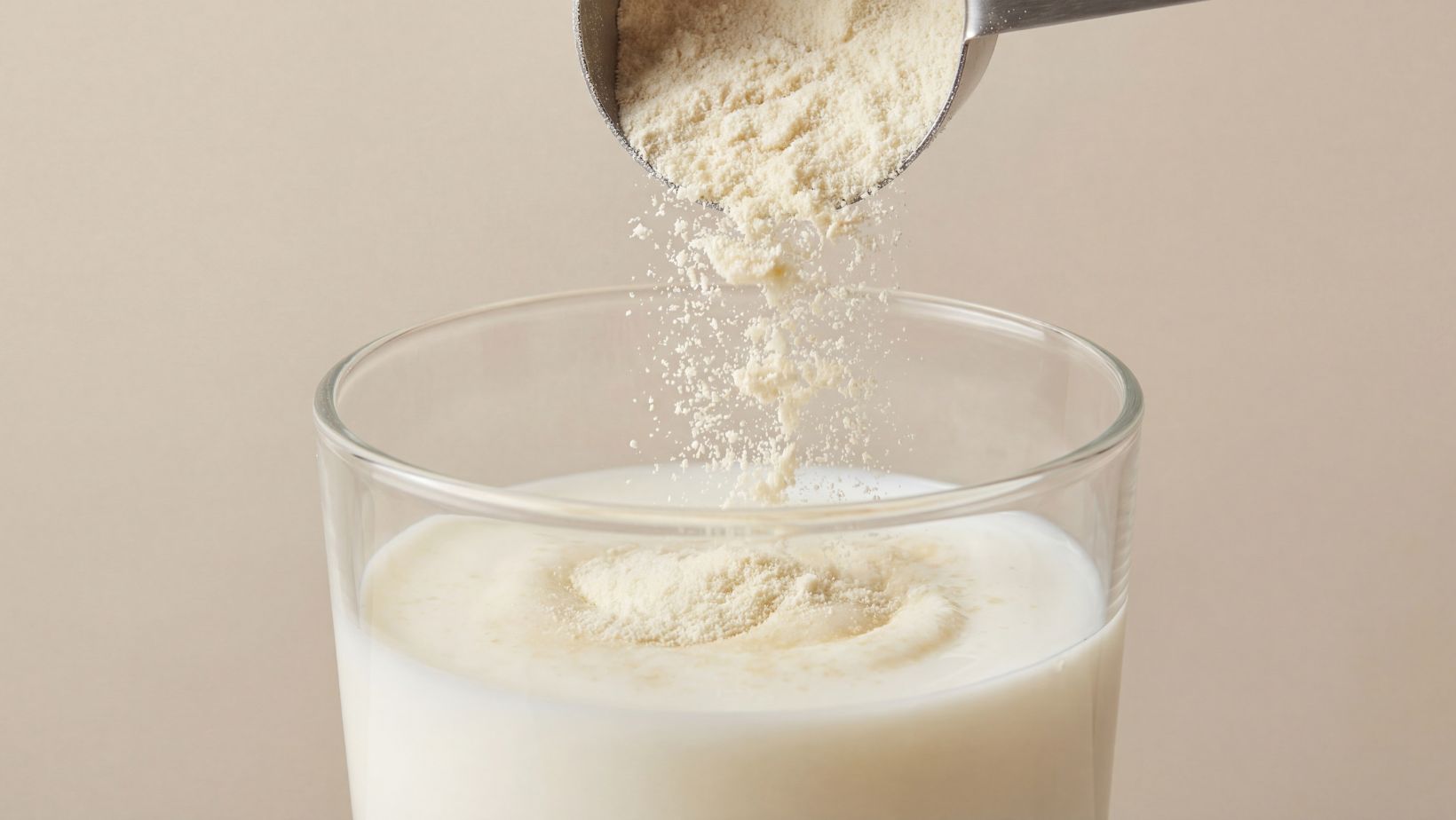
Bloating is the most obvious symptom, but pay attention to other signals your body might be sending.
Feeling heavy or sluggish after shakes instead of energized suggests poor digestion. Frequent gas within an hour or two of drinking protein points to fermentation issues. Irregular bathroom habits that correlate with protein intake indicate your gut is struggling.
If you experience these symptoms regularly, your protein powder is working against you rather than supporting your fitness goals.
What to Look for in a Gut Friendly Protein
Switching to a protein that digests easily can make a dramatic difference. Here’s what to prioritize.
Dairy free protein sources eliminate the lactose problem entirely. Beef protein isolate and egg white protein both provide complete amino acid profiles without any dairy content. Beef protein offers the added benefit of naturally occurring collagen amino acids that support joint health.
Hydrolyzed proteins have been pre broken down into smaller peptides, making them easier for your body to absorb. This processing essentially does some of the digestive work for you.
Short ingredient lists reduce your exposure to potential irritants. Products like Active Stacks contain just four ingredients: hydrolyzed beef protein isolate, flavoring, glycine, and monk fruit. Fewer ingredients means fewer opportunities for something to disagree with your stomach.
Natural sweeteners like monk fruit and stevia tend to cause fewer digestive issues than artificial alternatives.
Making the Switch
If bloating has become a regular part of your post workout routine, consider experimenting with a cleaner protein source. Give your body two to three weeks with a new product before judging results, as your digestive system may need time to adjust.
You put effort into your training. Your nutrition should support that work, not sabotage it with unnecessary discomfort.
About The Author