 Marsha Stevenson
The fitness world is experiencing an interesting intersection right now. Walk into any gym and there’s a good chance that someone on the treadmill next to you is taking a GLP-1 medication like Ozempic or Wegovy for weight loss. These medications have become remarkably common, and they’re changing how people approach both diet and exercise.
For trainers and fitness enthusiasts, understanding how these medications affect exercise capacity, recovery, and body composition matters more than it did even a year ago. The landscape is shifting, and adapting training approaches accordingly can make a real difference in outcomes.
How GLP-1 Medications Affect Training
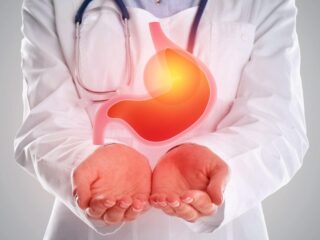
GLP-1 medications work primarily by reducing appetite and slowing digestion. For anyone who trains regularly, this creates some specific considerations that don’t apply to people losing weight through diet and exercise alone.
The most obvious change is reduced food intake. When someone is eating significantly less than they’re accustomed to, energy availability for training can become an issue. This doesn’t mean exercise becomes impossible, but it does mean that expectations around performance might need adjustment, particularly during the first few months when appetite suppression is strongest and the body is adapting.
Research published in Obesity examining exercise during pharmacological weight loss found that combining medication with regular physical activity produced better body composition outcomes than medication alone. The key finding was that exercise helped preserve lean muscle mass during weight loss, which is critical for maintaining metabolic rate and functional capacity.
The Muscle Preservation Challenge
One of the biggest concerns with rapid weight loss, regardless of method, is muscle loss alongside fat loss. When the body is in a significant caloric deficit, it can break down muscle tissue for energy if conditions aren’t right for preservation.
GLP-1 medications can accelerate weight loss beyond what many people achieve through lifestyle changes alone, which increases the risk of muscle loss if not properly managed. This is where strategic exercise becomes essential rather than optional.
Resistance training stands out as the most important intervention for maintaining muscle during medication-assisted weight loss. Lifting weights signals the body that muscle tissue is being actively used and needed, making it less likely to be broken down for energy. Even basic strength training two to three times per week can make a meaningful difference in body composition outcomes.
Progressive overload remains important. The goal doesn’t need to be gaining strength while losing weight, though that’s sometimes possible. Simply maintaining current strength levels through consistent training helps preserve the muscle that creates that strength.
Nutrition Timing Around Workouts

Training on reduced calories requires some strategic thinking about when to eat relative to exercise. Since GLP-1 medications slow digestion and reduce appetite, pre-workout nutrition becomes less straightforward than it might otherwise be.
Many people find that training fasted or on minimal food works surprisingly well when on these medications. The appetite suppression means they don’t experience the hunger or energy crash that might normally accompany fasted training. However, this is highly individual, and some people still perform better with at least a small amount of pre-workout nutrition.
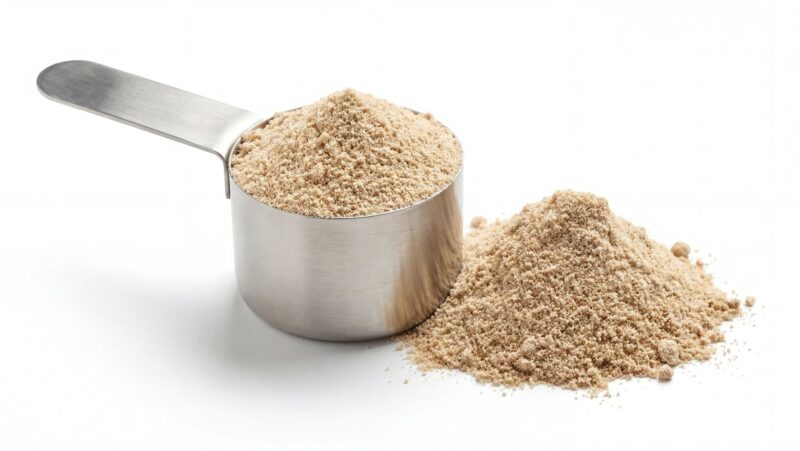
Post-workout nutrition deserves particular attention. This is one of the best times to consume protein since the body is primed to use it for muscle recovery and synthesis. Even when appetite is low, prioritizing a protein-rich meal or shake after training helps support muscle preservation.
Realistic Expectations
Energy levels and performance capacity often fluctuate during the early months of GLP-1 treatment. Some days feel normal; others feel notably lower energy. This variability is common and usually improves as the body adapts to the medication and the dosing stabilizes.
Rather than fighting this variability, working with it makes more sense. On higher energy days, push harder. On lower energy days, focus on movement and consistency rather than performance. The goal during the weight loss phase is maintaining training stimulus and muscle mass, not setting personal records.
Cardio capacity often improves as weight decreases, even if strength training feels harder during the caloric deficit. Activities like running, cycling, or using the elliptical typically become easier as carrying less body weight reduces the work required.
Making It Work
For anyone combining GLP-1 medications with regular training, platforms like TrimRx have made these medications more accessible, meaning more gym-goers are navigating this combination. The keys to success involve prioritizing resistance training over cardio alone, ensuring adequate protein intake even with reduced appetite, listening to energy signals and adjusting intensity accordingly, and maintaining consistency rather than perfection in training.
The combination of medication-assisted weight loss and strategic exercise can produce excellent results. Understanding how these elements interact helps optimize outcomes and avoid common pitfalls like excessive muscle loss or burnout from overtraining on insufficient fuel. The fitness industry is adapting to this new reality, and informed approaches benefit everyone navigating this path.
About The Author