
 Narissa Thelo
As a parent, you navigate countless decisions to ensure your child’s health and happiness. From annual check-ups to sports physicals, you’re proactive about their well-being. But one crucial appointment is often overlooked: an early orthodontic evaluation. This simple check-up can be one of the most important steps you take for their long-term oral health.
The American Association of Orthodontists recommends every child see an orthodontist around age seven. This might sound surprisingly young, but it’s the ideal time for a specialist to assess your child’s dental development. An early look can help spot subtle issues with jaw growth and emerging teeth, paving the way for a healthier smile and preventing more complex problems later.
What is Early Orthodontic Treatment?
Early orthodontic care, often called Phase One treatment, is proactive intervention designed to address significant structural issues while a child’s jaw is still growing. It isn’t about creating a perfectly straight smile right away. Instead, it focuses on building a proper foundation for the permanent teeth to grow into.
This first phase guides jaw development, corrects harmful oral habits, and makes room for incoming adult teeth. By addressing these foundational problems early, future orthodontic work in the teen years—known as Phase Two—is often shorter, less complex, and more effective.
Key Benefits of an Early Evaluation
An orthodontic screening by age seven doesn’t always lead to immediate treatment. For many children, it’s simply a way to monitor growth and development. However, when intervention is needed, the benefits are significant and can have a lifelong impact.
Guide Jaw Growth
An orthodontist can identify potential imbalances in jaw growth, such as a narrow upper jaw or a developing underbite. Early treatment can help guide the jaw into a more favorable position, improving facial harmony and preventing the need for jaw surgery later in life.
Create Space for Crowded Teeth
One of the most common reasons for braces is crowding. By using an appliance like a palatal expander, an orthodontist can widen the upper arch to create the necessary space for permanent teeth to erupt properly. This can significantly reduce the likelihood of needing tooth extractions in the future.
Correct Harmful Oral Habits
Prolonged habits like thumb-sucking, tongue-thrusting, and mouth breathing can negatively impact dental and jaw development. Early intervention can help correct these habits before they cause lasting problems, such as an open bite or misshapen jaw.
Reduce the Risk of Trauma
Children with protruding front teeth are more susceptible to dental injuries from falls or accidents.
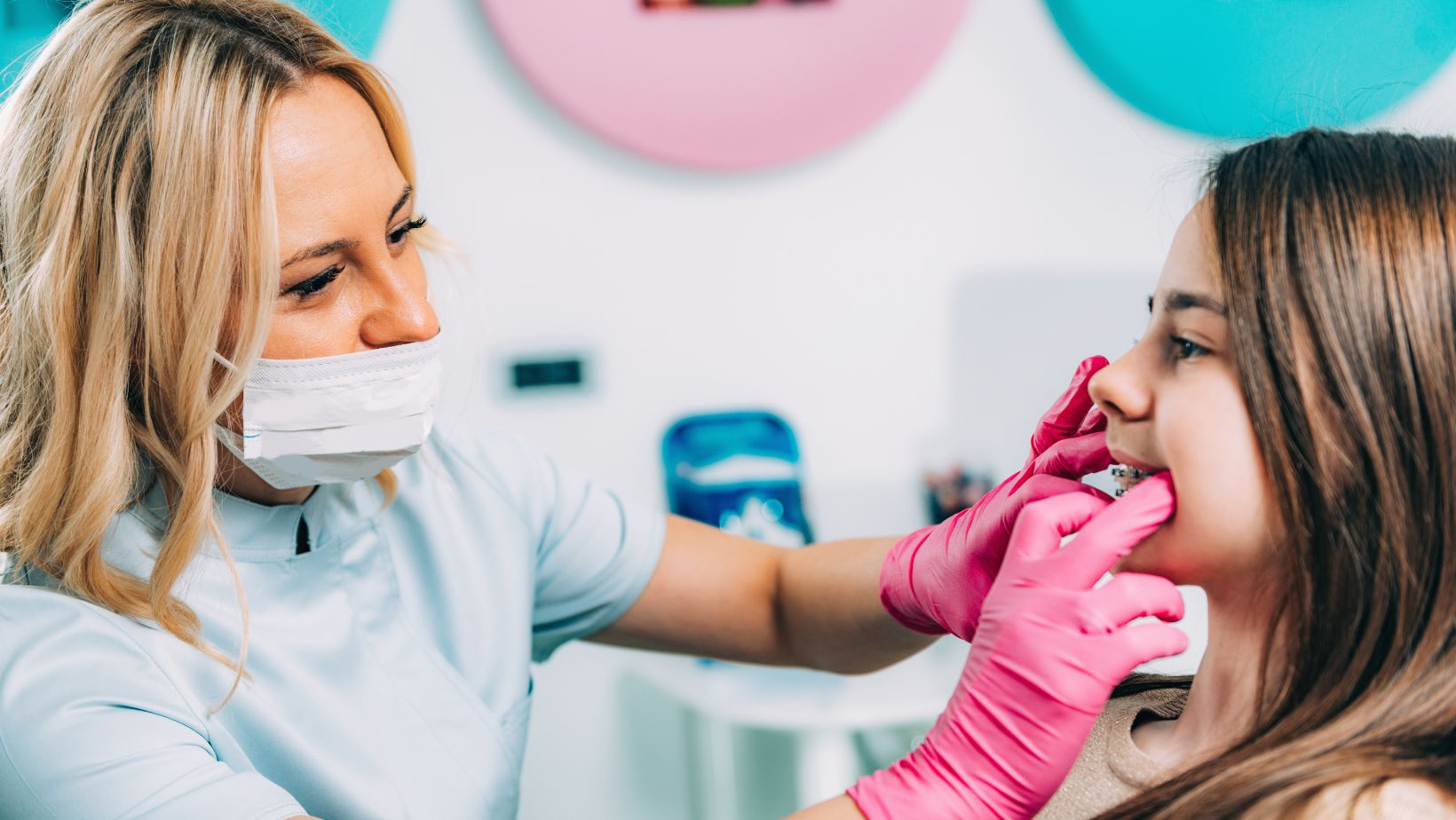
Early treatment can help retract these teeth into a safer, less exposed position, protecting them from chips and fractures.
Signs Your Child May Need an Evaluation
While an orthodontist is the only one who can determine if treatment is necessary, parents can look for certain signs. If you notice any of the following, it might be time to schedule a consultation in the Santa Maria area.
- Early or late loss of baby teeth
- Difficulty chewing or biting
- Mouth breathing
- Thumb or finger sucking habits past age five
- Crowded, misplaced, or blocked-out teeth
- Jaws that shift, make sounds, or appear misaligned
- Teeth that don’t meet correctly or at all
- Jaws and teeth that seem out of proportion to the rest of the face
Taking a proactive approach gives your child the best chance for a healthy, beautiful smile. Many local providers, like the team at Explore Orthodontics, offer complimentary consultations to help parents understand their options and make informed decisions without any pressure.
Your Path to a Healthier Smile
Investing in an early orthodontic evaluation is an investment in your child’s future confidence and well-being. It provides an opportunity to address developmental issues at the ideal time, simplifying future treatment and promoting lifelong oral health. By understanding the benefits and knowing what signs to look for, you can take the first step toward building a smile that will take them far.
If you have questions about your child’s dental development, consider scheduling an assessment with a local orthodontic specialist. Gaining professional insight can provide peace of mind and set your child on the right path.
Frequently Asked Questions About Early Orthodontics
Does an early evaluation mean my child will get braces right away?
Not necessarily. In many cases, an early evaluation is simply for observation. An orthodontist will monitor your child’s growth and development, and only recommend treatment if they identify a significant issue that would benefit from early intervention.
What is the goal of Phase One treatment?
The main goal of Phase One is to correct foundational problems with jaw growth, spacing, and bite alignment. It’s not about making every tooth perfectly straight. The focus is on creating a healthy environment for the permanent teeth to erupt, which often makes future treatment (Phase Two) much simpler and more effective.
Is early treatment more expensive?
Two-phase treatment can sometimes be more cost-effective in the long run. By correcting major issues early, you may prevent the need for more invasive and expensive procedures later, such as jaw surgery or tooth extractions. Many orthodontic offices offer flexible payment plans to make care affordable for families.
My child’s teeth look straight. Do they still need a check-up?
Yes. Many orthodontic problems are not visible to the untrained eye. An orthodontist is trained to spot subtle issues with jaw growth, the bite, and the eruption of permanent teeth that may not be apparent yet. An early check-up ensures these underlying problems are caught before they become more serious.
About The Author