
 Narissa Thelo
A straight smile is about more than just aesthetics; it’s a crucial part of overall oral health. Misaligned teeth can lead to jaw pain, difficulty cleaning, and increased wear on enamel. Fortunately, the days when orthodontic treatment was exclusively for teenagers with metal mouths are long gone.
Today, adults make up a significant portion of orthodontic patients. The technology has advanced rapidly, offering discreet and efficient solutions for everyone from busy professionals to active kids. Whether you are considering treatment for yourself or a family member, understanding your options is the first step.
Key Takeaways
- Age is Just a Number: Orthodontic treatment is effective for both children and adults, provided gums and bones are healthy.
- Options Abound: From traditional metal braces to clear aligners like Invisalign, there is a solution for every lifestyle.
- Health Benefits: Straight teeth are easier to clean, reducing the risk of gum disease and cavities.
- Consultation is Key: An in-person evaluation is necessary to determine the best course of action for your specific bite.
Understanding Why Alignment Matters
Many people seek orthodontic treatment primarily to improve their appearance. While a confident smile is a fantastic benefit, the functional improvements are equally important. When teeth are crowded or spaced too far apart, they create pockets where food particles get trapped.
Over time, this can lead to plaque buildup that is difficult to remove with regular brushing and flossing. Correcting these alignment issues makes daily hygiene much simpler. It can also alleviate stress on the jaw joints, which sometimes causes headaches or TMJ disorders.
Additionally, a proper bite ensures that you chew food efficiently. This aids in digestion and prevents uneven wear on your tooth surfaces. Investing in your smile is truly investing in your long-term health.
The Great Debate: Braces vs. Clear Aligners
The most common question patients ask is whether they should choose traditional braces or clear aligners. Both methods move teeth by applying constant, gentle pressure, but they do so in different ways.
Traditional Metal Braces
Traditional braces have come a long way. The brackets are smaller and more comfortable than they used to be. They remain one of the most effective ways to treat complex dental issues.
Because they are fixed to the teeth, they work 24/7 without the patient needing to remember to put them in. This makes them an excellent choice for younger patients or those who might lose removable trays. They are also highly durable and precise.
Ceramic Braces
For those who want the effectiveness of traditional braces but with less visibility, ceramic braces are a great middle ground. They function just like metal braces but use tooth-colored or clear brackets.
They blend in with the natural color of your teeth, making them much less noticeable from a distance. However, they can be slightly more fragile than their metal counterparts.
Clear Aligners
Clear aligners have revolutionized the industry. These transparent plastic trays are custom-made to fit snugly over your teeth. You switch to a new set of trays every week or two to gradually shift your smile.
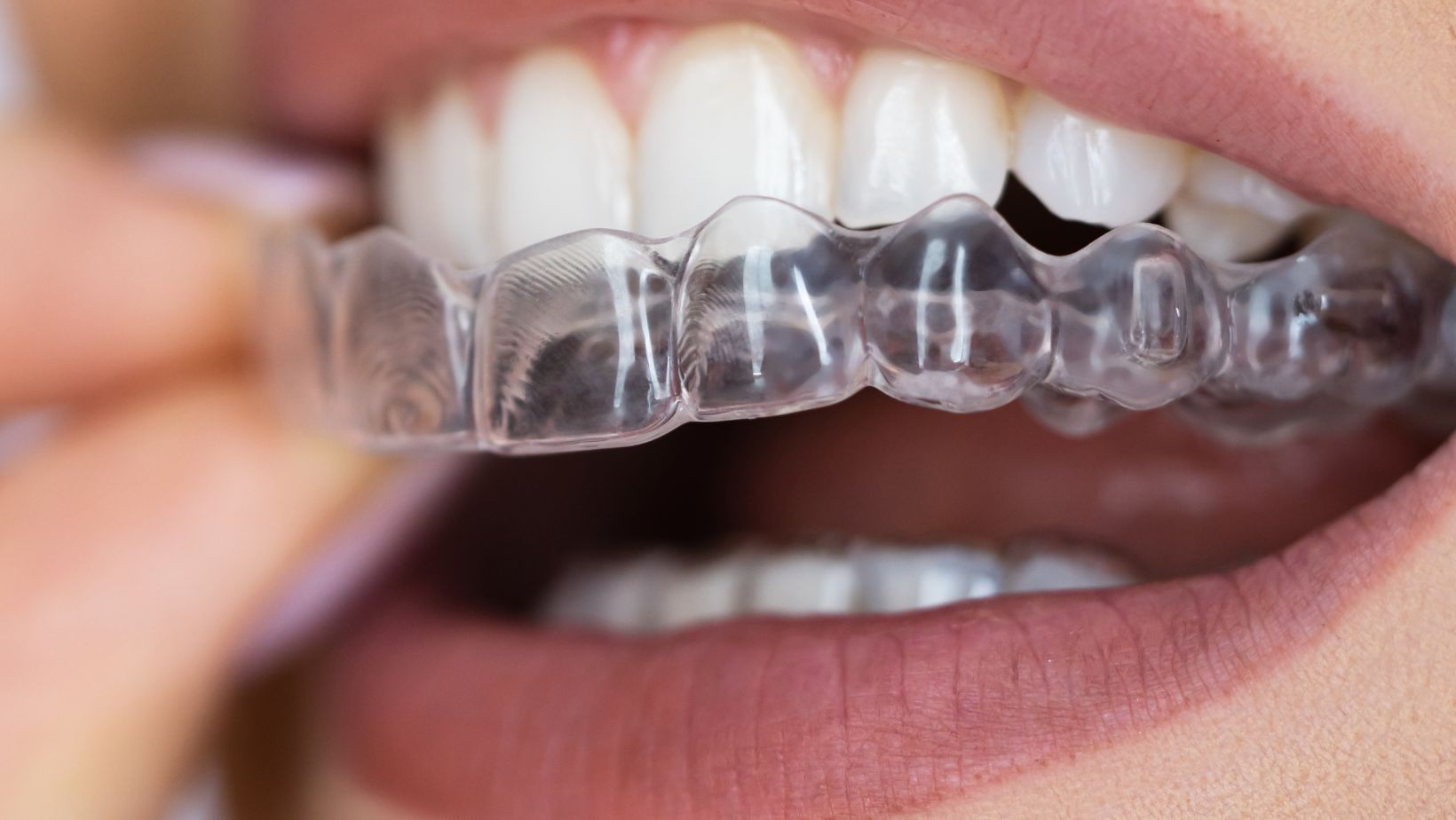
The biggest advantage is that they are removable. You can take them out to eat, drink, brush, and floss. This means no dietary restrictions and easier cleaning routines. However, discipline is required; they must be worn for 20-22 hours a day to work effectively.
When to See an Orthodontist
The American Association of Orthodontists recommends that children have their first check-up by age seven. By this age, most children have a mix of baby and adult teeth. This allows an orthodontist to spot potential issues with jaw growth and tooth eruption early on.
Early treatment doesn’t always mean immediate braces. Sometimes, it simply means monitoring growth so treatment can begin at the ideal time. However, some issues are much easier to correct while the jaw is still developing.
For adults, there is no “right” age to start. As long as your teeth and gums are healthy, you can move them. Many adults are now seeking treatment they didn’t receive as children or correcting regression that happened after losing retainers years ago.
Choosing the Right Provider
Finding the right professional to trust with your smile is critical. You want a provider who listens to your goals and explains the treatment plan clearly. It is often helpful to look for specialists who are board-certified and stay up-to-date with the latest technology.
A good provider will offer a comprehensive consultation. This usually involves X-rays, photos, and a physical exam. They should walk you through the financial aspects and insurance options as well.
Local reputation matters. For example, practices like Scaffidi Orthodontics have built trust within their communities by focusing on personalized patient care. Reading reviews and asking for recommendations from friends can help you narrow down your choices.
Life During Treatment
Adjusting to life with braces or aligners takes a little time. You might experience some soreness after adjustments or when switching to a new tray. This is normal and usually subsides within a few days.
If you have braces, you will need to avoid sticky or hard foods that could break a bracket. Popcorn, nuts, and chewy candy are generally off-limits. With aligners, you must brush your teeth after every meal before putting the trays back in to avoid trapping sugar against your enamel.
Regular appointments are essential. These visits allow the orthodontist to track your progress and make necessary adjustments. Skipping appointments can prolong your treatment time significantly.
The Importance of Retention
Once the active phase of treatment is over, the retention phase begins. This is arguably the most important part of the process. Teeth have a natural tendency to drift back to their original positions.
Retainers hold your teeth in their new, correct spots while the bone and gum tissue adapt. Most patients will need to wear retainers indefinitely, usually just at night, to maintain their results.
Neglecting your retainer can lead to relapse. This is a common reason why adults often find themselves back in the orthodontist’s chair later in life. Treat your retainer like an insurance policy for your smile.
Frequently Asked Questions (FAQ)
Q: Does getting braces hurt?
A: The application process is generally painless. You may feel some soreness or discomfort for a few days after appointments or when switching aligner trays as your teeth begin to move.
Q: How long does treatment usually take?
A: Treatment time varies depending on the complexity of the case. On average, comprehensive treatment takes between 12 to 24 months. Simple cases may take less time, while complex ones may take longer.
Q: Can I still play sports with braces?
A: Absolutely. However, it is highly recommended that you wear an orthodontic mouthguard to protect your lips and cheeks from the brackets if you get hit.
Q: Am I too old for braces?
A: No. About one in four orthodontic patients is an adult. As long as your gums and bone structure are healthy, you are a candidate for treatment.
Q: How do I clean my clear aligners?
A: You should brush them gently with a soft toothbrush and water every time you brush your teeth. Avoid using hot water, as it can warp the plastic. Special cleaning crystals or tablets can also be used for a deeper clean.
About The Author