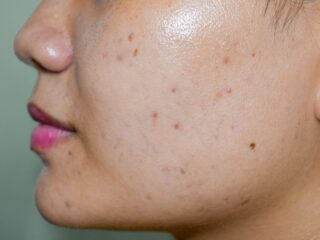

On a quiet Sunday morning, a woman we will call Mei Ling leans toward her bathroom mirror and traces a small brown mark on her cheekbone with one fingertip. She is fairly sure it was not there last year. She mentions it to a friend, who says she had something done about her own dark spots and was glad she did.
That evening, Mei Ling starts reading about laser for pigmentation. Within an hour she has fifteen tabs open and no clearer idea whether it is right for her. Her problem is a common one. She has been handed answers before anyone has helped her with the question. So here are a few things worth understanding first.
Brown Spots Are Not All Alike
The word pigmentation covers several different things. Three of the most common are worth knowing by name.
- Sun spots. These are flat, well-defined brown marks that build up after years of sun exposure, often on the cheeks, nose and backs of the hands.
- Melasma. This tends to appear as larger, softer patches on the cheeks, forehead or upper lip, and it is often linked to hormones, sun and heat.
- Marks after irritation. Acne, rashes and injuries can leave darker marks behind long after the skin has healed.
These have different causes, and so they call for different plans. Melasma in particular is usually handled with extra care and patience, and what suits a sun spot may not suit a patch of melasma. This is why a diagnosis comes before a treatment.
Why a Diagnosis Comes First
It is not always possible to tell what a mark is just by looking in the mirror. A registered doctor can examine your skin, ask about your history and tell you what you are dealing with.
There is also a more serious reason. A spot that is new, changing in size, shape or colour, or that itches or bleeds should be checked by a doctor promptly, and not simply treated as a cosmetic matter. Mei Ling’s mark may well be harmless. The point is that she should not have to guess.
How Lasers Are Meant to Work
Many pigmentation lasers are designed to deliver light energy that is absorbed by the pigment in the skin. The idea is that the pigment is broken into smaller pieces, which the body then clears away gradually over time. Different devices and settings exist for different kinds of marks.
Doctors also take your skin tone into account, because the same settings do not suit every skin. Ask how your doctor will choose settings for you, and what they will do if your skin reacts.
The Recovery Timeline Nobody Mentions
Most online conversations skip the part in the middle. After some laser treatments, treated spots can look darker at first, and the skin may be pink, tender or lightly flaky for a period before it settles. How long this lasts varies from person to person and from treatment to treatment.
Here is a decision rule that spares a lot of worry. Do not book a treatment right before an event you care about. Suppose Mei Ling had booked hers the week before her cousin’s wedding. She would be photographed at her least settled. Ask your doctor how long a sensible buffer is for your case, and ask for aftercare instructions in writing.
Sunscreen Is Part of the Treatment
Singapore’s sunshine does not take a holiday. Sun exposure can darken spots again, so it is widely advised to protect treated skin with a broad-spectrum sunscreen, a hat and some shade. A common mistake is to treat the spots and then spend a weekend on the beach without protection, which can undo careful work.
Treat sun protection as part of the plan from the very first day, not an optional extra for later.
Questions Worth Asking
A good consultation is a conversation. Ask what type of pigmentation you have, how your skin tone affects the plan, how many sessions are usually discussed, and what the recovery looks like day by day. Ask what happens if you do not see the change you hoped for.
Be wary of anyone who promises a particular result. Honest answers include limits, and a doctor who is clear about them is one worth listening to.
Mei Ling closed her fifteen tabs that night and wrote down three questions instead. It was a small decision about a small mark on her cheek, and it was the most useful thing she did all week. A calm start, and a good conversation with a doctor, will take you further than any amount of scrolling.
About The Author